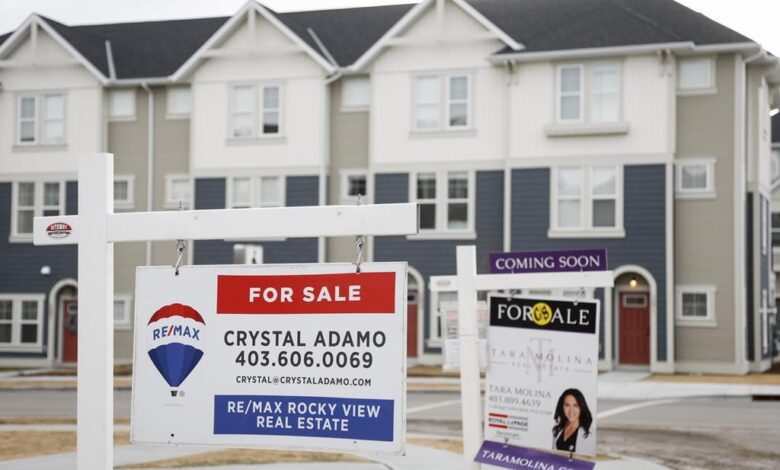
A 2024 affordability study estimated that half of Calgary families needed at least C$11,000 more annual income to qualify for an average-priced home. Falling interest rates offered some relief, but prices, down payments and mortgage qualification kept ownership beyond many households.
The “affordability gap” was an estimate
Rates.ca compared household income with the income required for a representative mortgage under assumed prices, rates, debt and down payment. Its national estimate was a much larger C$65,000 gap, with Toronto and Vancouver worst.
Results change when assumptions or an individual household’s obligations change.
Lower rates did not solve the price problem
Bank of Canada cuts can reduce variable borrowing costs and eventually fixed mortgage rates, improving the payment calculation. They can also bring sidelined buyers back into the market and support prices if housing supply remains tight.
A small rate change cannot turn every unaffordable property into an affordable one.
The mortgage stress test remained relevant
Federally regulated lenders assess many borrowers at a qualifying rate above their contract rate. The rule creates a buffer against increases but also means approval income can exceed what the initial payment alone suggests.
Credit, other debts, taxes, heating and condominium fees also affect qualification.
Family help created unequal access
University of Calgary economist Jack Mintz noted that parents increasingly helped children with first purchases. Gifts, co-signing or free accommodation while saving can close a gap for some buyers.
Households without family wealth face a different market even when their earnings and saving habits are similar.
One family built another form of housing
Calgarian Bill Hornecker converted a backyard workshop into a suite for his college-age son, judging it more practical than renting elsewhere. Secondary suites can add relatively modest-cost housing and preserve independence.
They still require permits, safety compliance, utilities and consideration of neighbourhood rules.
Ownership is not the only financial goal
Stretching to qualify can leave little room for repairs, job loss or retirement saving. Renting may be rational when purchase costs, taxes, maintenance and transaction fees outweigh expected stability.
No general report can decide the right tenure for a particular family.
Supply and income determine lasting affordability
More homes of varied types near jobs and transport can moderate competition, while stronger wage growth improves purchasing power. Buyer subsidies without additional supply may mainly raise bids.
Rental construction and tenant stability matter because many residents will not buy soon.
Prospective buyers should calculate the full cost
A budget should include down payment, closing costs, insurance, taxes, utilities, maintenance and higher renewal payments. Independent pre-approval can reveal constraints before an offer.
The C$11,000 figure captured a real barrier but was not a verdict on every Calgary household. It was evidence that even a comparatively smaller gap leaves many people dependent on higher income, family assistance, cheaper housing or continued renting. Policy success should be measured by secure affordable homes, not ownership rates alone.
Readers should always verify the study’s date because rates, prices and qualification rules change quickly.