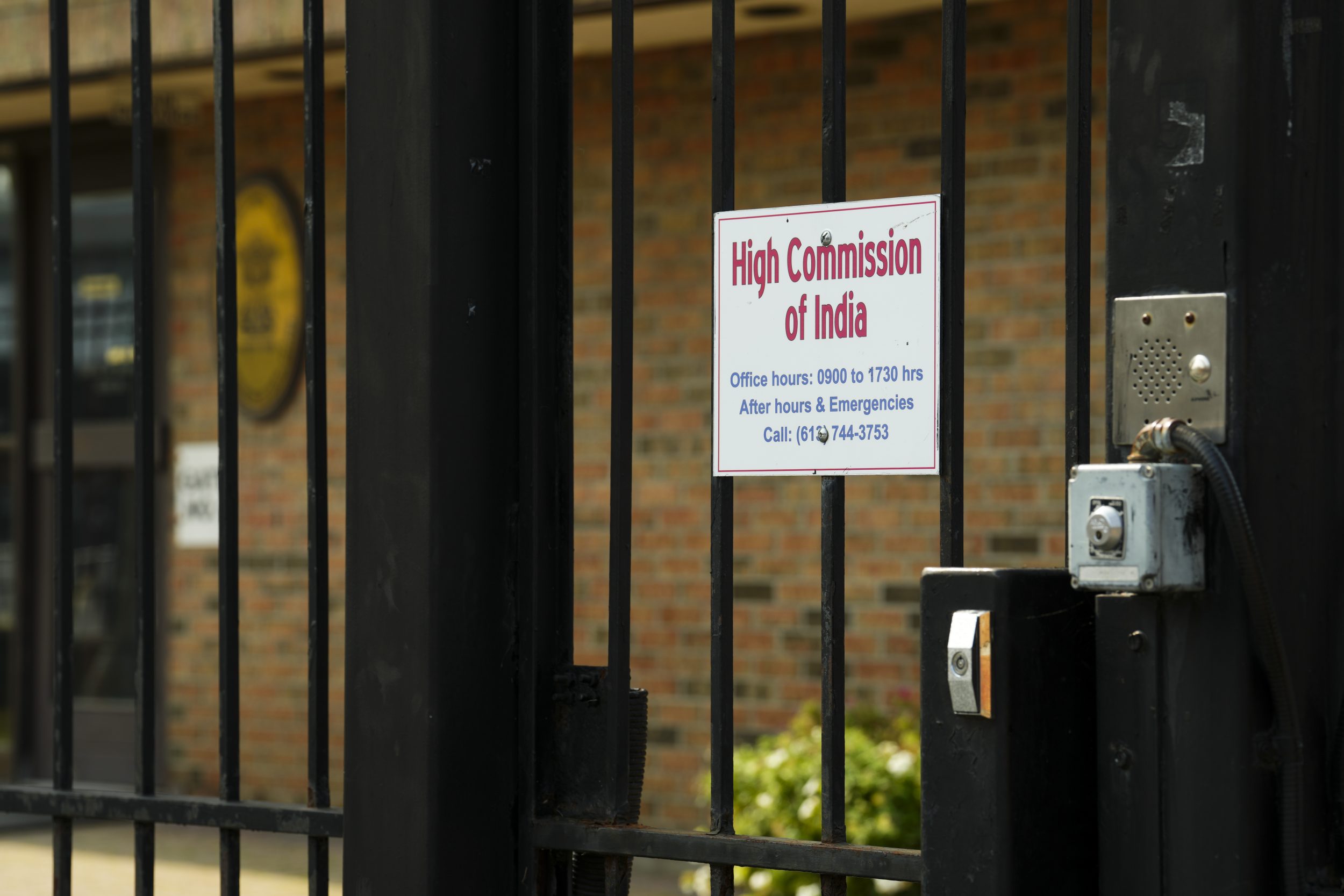
Canada expelled six Indian diplomats and consular officials in October 2024 after India refused a request to waive immunity so investigators could question them in connection with alleged violent criminal activity. India rejected Canada’s allegations and ordered six Canadian diplomats to leave in response.
What diplomatic immunity does
Diplomatic immunity is a legal protection that allows accredited representatives to perform official work without coercion by the host state. Its modern rules are principally set out in the 1961 Vienna Convention on Diplomatic Relations, to which Canada and India are parties.
In Canada, the Foreign Missions and International Organizations Act gives domestic effect to many of those obligations. A fully accredited diplomatic agent is generally protected from arrest or detention and from the host country’s criminal jurisdiction.
Protection is tied to the role
The immunity belongs to the sending state’s diplomatic function, not to the individual as a personal reward. Diplomats remain obligated to respect the host country’s laws even when local authorities cannot prosecute them while immunity applies.
Consular officers and some mission employees may have narrower protection, often covering acts performed in official duties. The exact status of each person matters; “diplomat” is not a single category with identical privileges for everyone in an embassy or consulate.
Who can waive it
The receiving country can ask the sending country to waive immunity, but it cannot unilaterally cancel the protection while continuing to recognize the official’s diplomatic status. Waiver must be express and comes from the sending state, not merely from the diplomat.
India’s refusal therefore prevented the requested investigative step from proceeding under ordinary Canadian criminal process while the officials remained protected. Refusal was not a judicial finding about whether the underlying allegations were true.
Canada’s remaining option
When waiver is denied, a host government can declare a diplomat persona non grata and require that person to leave. Expulsion removes the official from the country and ends the immediate diplomatic relationship, but it is not a criminal conviction or a substitute for evidence tested in court.
The sending country may choose to investigate or prosecute conduct after the person returns. In some circumstances, local proceedings may become possible after an official’s posting ends, although continuing immunity can remain for genuine official acts.
The allegations behind the dispute
Canadian officials and the RCMP alleged that Indian government agents were connected to homicides, extortion, coercion and other violence targeting people in Canada, including members of the Sikh community. The police said public disclosure was necessary because threats were continuing.
India denied involvement, accused Canada of tolerating violent separatist activity and disputed the evidence.
The Nijjar investigation
The confrontation followed Canada’s allegation of a potential link between Indian government agents and the June 2023 killing of Sikh activist Hardeep Singh Nijjar in Surrey, British Columbia. India had long labelled Nijjar a terrorist; supporters described him as an advocate for Khalistan, a proposed independent Sikh homeland.
Political labels do not decide a homicide case. Individual guilt must be established through admissible evidence and fair proceedings, and allegations against state agents require the same discipline.
Immunity is not impunity
It can appear unjust when immunity blocks questioning or prosecution, especially in a serious case.
The system balances that protection through waiver, expulsion, recall, prosecution by the sending state and diplomatic consequences. Those remedies can be imperfect, but weakening reciprocity for one dispute could expose Canadian diplomats abroad to arbitrary treatment.
Reporting the case responsibly
The Canadian allegations were grave and came from senior law-enforcement and government officials; India’s denial was equally important to record. Neither diplomatic status nor expulsion proved criminal responsibility.
The durable questions were whether investigators could preserve evidence, protect threatened people and obtain accountability through lawful channels. Diplomatic immunity determined which procedures were available—it did not answer whether the alleged acts occurred or who was responsible for them.