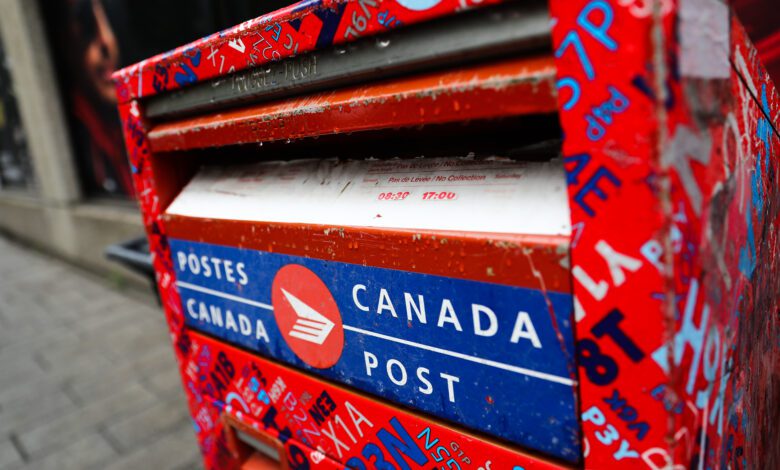
Canada Post was still operating normally on November 1, 2024, while bargaining with the Canadian Union of Postal Workers continued and employees approached a legal strike position. The federal New Democratic Party said it would not support back-to-work legislation if a strike occurred, arguing that a threat of intervention could weaken genuine bargaining.
No strike had begun at publication
A cooling-off period was due to expire on November 2, after which workers could lawfully strike or the employer could lock them out. Either side still had to provide 72 hours’ formal notice before action began.
Canada Post spokesperson Valérie Chartrand said the corporation had not received a strike notice and would tell customers about service plans if one arrived. The distinction was important: eligibility to strike was not the same as an active work stoppage.
The offer and bargaining issues
Canada Post had presented offers that included annual wage increases totalling 11.5 per cent over four years and protections for pensions. CUPW president Jan Simpson said the union was reviewing the offer and wanted negotiated agreements for urban workers and rural and suburban mail carriers.
The dispute also concerned job security, work organization and the future delivery model. Reporting only a wage percentage would not capture the full collective-bargaining package or the cost and operational arguments made by each side.
The NDP position
Labour critic Matthew Green said there was no scenario in which his party would support a back-to-work bill. He argued that the possibility of government intervention could give management less incentive to reach a fair deal at the table.
The Liberal government was in a minority, so opposition support could affect whether ordinary legislation passed. However, the labour minister also had statutory tools, and political statements did not determine in advance what legal mechanism might later be attempted.
Service and financial concerns
A work stoppage before the holiday season could affect small businesses, charities and people in rural or remote communities. Arrangements were made to maintain delivery of certain government cheques and protect live animals in the postal system.
Canada Post reported a $490-million operating loss in the first half of 2024 and more than $3 billion in losses since 2018. Those corporation figures established serious financial pressure, but did not by themselves decide which labour proposal was reasonable.
Later outcome
CUPW issued notice on November 12 and began a nationwide strike on November 15. The Canada Industrial Relations Board later found the parties at an impasse after a ministerial referral and ordered operations to resume on December 17, extending the agreements while an industrial inquiry examined the dispute.
The union challenged the use of that process as an infringement of collective-bargaining rights. This later intervention was not the back-to-work bill discussed in the original article, so the mechanisms should not be treated as identical.
Why the early statement mattered
The November 1 debate showed how government intervention can influence negotiations even before it happens. Customers needed contingency information, while workers and management retained responsibility for reaching an agreement.
The accurate timeline moves from normal operations and no notice, to a 32-day strike, then a board-ordered return. Preserving those stages prevents a warning about a possible disruption from being mistaken for the final outcome.