Live Updates: Netanyahu to Address U.N. Amid Doubts Over Cease-Fire Push
Israeli Prime Minister Benjamin Netanyahu addressed the United Nations General Assembly on September 27, 2024 as international mediators pressed for a temporary ceasefire in Lebanon and the war in Gaza continued. His speech rejected expectations of an imminent pause and promised further military action against Hezbollah and Hamas.
Netanyahu defended continuing the Lebanon campaign
He said Israel would keep degrading Hezbollah until displaced residents of northern Israel could return safely. Hezbollah had fired rockets and drones across the border for nearly a year, beginning after the Hamas-led attack of October 7, 2023.
His remarks omitted endorsement of a 21-day pause proposed by the United States and France. That hardened doubts about whether diplomatic discussions could stop the escalating strikes.
He also repeated the goal of defeating Hamas
Netanyahu argued that Israel had to eliminate Hamas’s military and governing capacity and recover hostages held in Gaza. He presented the campaign as self-defence against an Iranian-backed network.
Palestinian officials and humanitarian agencies documented massive civilian casualties, displacement and destruction. Calls for a ceasefire emphasized hostage release, aid access and protection of civilians as well as Israeli security.
A large strike followed the speech
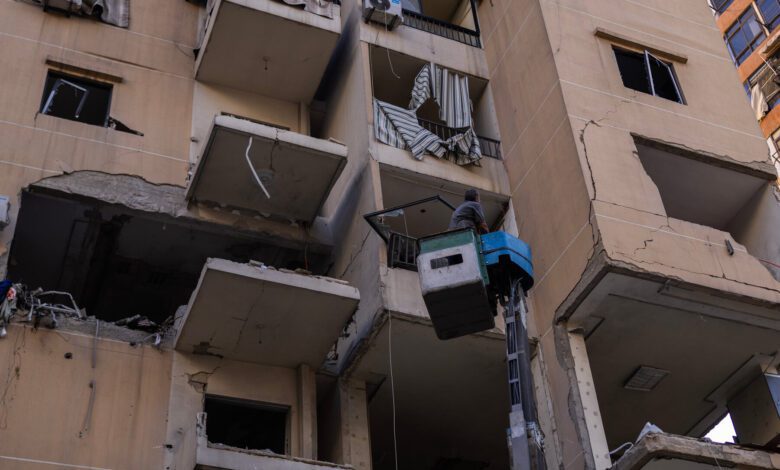
Shortly after Netanyahu spoke, explosions hit Beirut’s southern suburbs. Israel said it had attacked Hezbollah’s central headquarters; the strike levelled residential buildings and targeted the group’s leader, Hassan Nasrallah.
At the time, the target’s fate was not publicly confirmed. Later reporting established that Nasrallah was killed, but live coverage had to distinguish verified facts from early claims.
Delegations expressed opposition inside the hall
Some representatives left or protested as Netanyahu took the podium, while supporters applauded portions of his address. The divided chamber reflected the collapse of international consensus over the conduct and duration of the wars.
A UN speech can influence diplomacy, but it does not itself authorize force or resolve allegations concerning compliance with international law.
Iran was central to Netanyahu’s argument
He described Hamas, Hezbollah and the Houthis as parts of a regional system supported by Tehran and warned that Israel could reach any place threatening it. Iran said its alliances resisted Israeli and American power.
That framing connected separate conflicts but risked reducing local political actors and civilian populations to a single geopolitical map.
Ceasefire diplomacy faced incompatible objectives
Israel sought an end to Hezbollah fire and the return of northern residents. Lebanon sought an end to Israeli attacks, while diplomats looked to UN Security Council Resolution 1701 as a framework for security near the border.
A temporary pause could have allowed talks and humanitarian relief. It could not succeed without enforceable arrangements accepted by the armed parties.
Gaza remained inseparable from the regional crisis
Hezbollah linked its attacks to the Gaza war, while Israel insisted on treating the northern front as a security threat in its own right. Families in both theatres experienced the consequences of that linkage.
Hostage negotiations, aid delivery and Palestinian civilian protection remained unresolved as attention shifted toward Lebanon.
The speech clarified policy more than it advanced peace
Netanyahu made clear that his government did not regard international pressure as sufficient reason to halt operations. The subsequent Beirut strike reinforced that message with immediate military force.
For readers, the responsible conclusion was not that diplomacy had ended, but that the gap between declared objectives remained wide. Any later agreement would require measurable security commitments and sustained protection for civilians on every side.