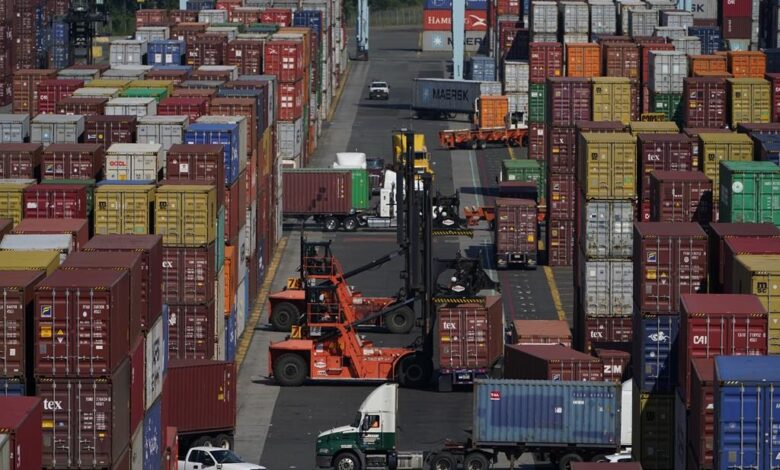
Dockworkers at major U.S. East and Gulf coast ports returned to work on October 3, 2024, after their union and employers reached a tentative wage understanding. The parties extended their contract until January 15 so they could negotiate automation and other unresolved issues.
The walkout lasted three days
About 45,000 members of the International Longshoremen’s Association had stopped work on October 1 after the master contract expired. The action affected 36 ports from Maine to Texas.
Those ports handled roughly half of U.S. containerized ocean cargo, making even a short shutdown significant. Essential bulk shipments and some other categories were governed by different arrangements, so the strike did not stop every import.
Wages unlocked a temporary return
The ILA and United States Maritime Alliance announced that they had reached a tentative agreement on wage increases. All current job action would cease and covered work would resume immediately.
The announcement was a truce, not a complete collective agreement. The existing master contract remained in force temporarily while negotiators addressed outstanding language.
Automation remained the hardest issue
The union argued that automated cranes, gates and related systems could remove stable waterfront jobs. Employers said technology was needed to improve capacity, safety and competitiveness.
That dispute was not simply “jobs versus progress.” Contract language could determine what technology was allowed, when workers were consulted, whether new roles were created and how productivity gains were shared.
The short strike still created backlogs
Ships, containers, trucks and rail connections operate as a timed network. Reopening gates does not instantly return every cargo movement to schedule, and some importers had diverted or advanced shipments before the deadline.
Canadian businesses also use larger U.S. ports, so delays could cross the border. However, a two- or three-day stoppage did not justify claims that all retail goods would immediately disappear or that consumers should hoard domestic products.
The January deadline did not produce another strike
Negotiators announced a tentative six-year master contract on January 8, 2025. The joint statement said the agreement protected existing ILA jobs while providing a framework to introduce technology that could improve port capacity.
Rank-and-file members overwhelmingly ratified the agreement in February, and labour and employer leaders formally signed it in March. It runs retroactively from October 1, 2024, through September 30, 2030.
The final package included large wage gains
The union reported a 62 per cent wage increase across six years, faster progression for newer workers, benefit improvements and protections involving automation. Those were gains over the life of the contract, not an immediate 62 per cent increase in every worker’s take-home pay.
Local port agreements and job classifications can also affect actual conditions. A master contract sets the coast-wide framework rather than every detail at every terminal.
The suspension created space for bargaining
The October deal reduced immediate economic damage while preserving both sides’ ability to negotiate the unresolved technology issue. It did not demonstrate that strike threats were costless; the disruption and uncertainty were part of the pressure behind settlement.
The completed chronology is now clear: workers struck for three days, wages enabled a temporary extension, automation talks continued, and a six-year agreement was ultimately ratified. That outcome is more informative than leaving readers at a January cliff-edge that never arrived.