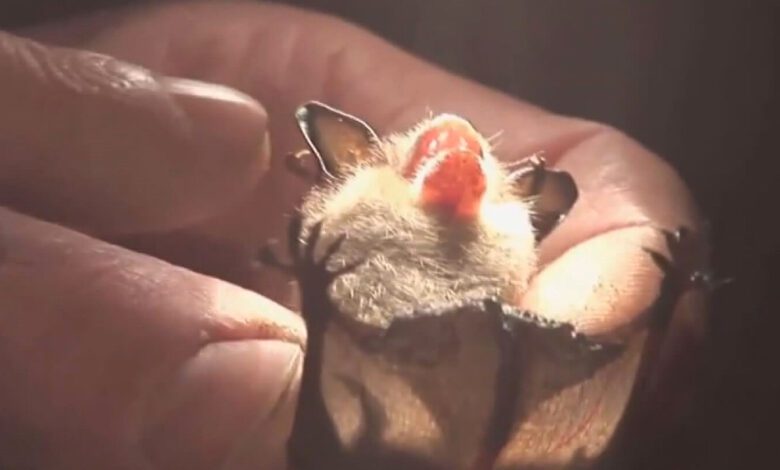
An Ontario child died from rabies in 2024 after a bat was found in the room where the child had been sleeping. The family did not see a bite, scratch or saliva exposure, illustrating why possible contact with a bat requires prompt public-health assessment even when no wound is visible.
The infection was acquired in Ontario
The case was the province’s first domestically acquired human rabies infection since 1967. Ontario had reported another case in 2012, but that infection was acquired outside Canada.
Human rabies is exceptionally rare in the country, with fewer than 30 known cases since national records began in 1924. Bats are nevertheless an important wildlife reservoir and have caused several recent Canadian infections.
No obvious injury was found
The acting medical officer of health for Haldimand-Norfolk said the child woke to find a bat in the room. Because neither the child nor the parents observed a bite, scratch or saliva exposure, they did not seek rabies post-exposure treatment.
Small bat teeth can leave marks that are difficult to see, and a sleeping person may not know contact occurred. The absence of a remembered bite therefore cannot by itself rule out exposure.
Later medical reporting clarified the course
A subsequent clinical case report described the patient as an 11-year-old boy who encountered a bat at a cottage in northern Ontario. The bat had been lying across his nose and mouth before it was removed and released.
Nearly three weeks later, he developed unusual sensations and swelling on one side of his face. His illness progressed to vomiting, difficulty swallowing, facial weakness and neurological decline. He died after intensive care.
Early rabies symptoms can resemble more common conditions. Once distinctive neurological signs appear, the window in which vaccination could prevent disease has already passed.
Rabies is preventable before symptoms
The virus is transmitted through saliva, most often by a bite, but also potentially through a scratch or contact with the eyes, nose, mouth or broken skin. It travels through the nervous system toward the brain.
Post-exposure prophylaxis can prevent illness when given promptly. For a person not previously vaccinated, care normally includes thorough wound cleansing, a series of rabies vaccine doses and, when indicated, rabies immunoglobulin placed around the exposure site.
Symptoms make the disease almost invariably fatal
After clinical rabies develops, effective treatment is extremely limited and death is expected in almost every case. That is why medical decisions must be made at the time of possible exposure, not after waiting to see whether someone becomes ill.
Risk assessment considers whether direct contact could have occurred, whether the person was asleep or unable to describe it, the species involved and whether the animal can be tested.
What to do after finding a bat
Anyone who may have had physical contact should wash any possible wound with soap and water and contact local public health or a health professional immediately. Parents should seek advice if a bat is found with a sleeping child, even when the child appears well.
Do not handle a bat with bare hands. If it can be safely isolated without contact, close it in the room and contact public-health or animal-control professionals for instructions. Releasing or destroying it before advice may remove the opportunity for testing.
The case is a warning, not a reason for panic
Most people who see a bat have not been exposed, and decisions about vaccination should be based on expert assessment rather than fear. The critical step is reporting the encounter promptly and describing it accurately.
The family’s decision reflected the absence of any visible injury, a misunderstanding that many people could share. The public-health lesson is compassionate and practical: with bats, an unseen bite is possible, early preventive treatment is highly effective, and symptoms are far too late to begin asking whether exposure occurred.