A French Fair as Workers’ Paradise, Feting Cuisine, Music and Communism
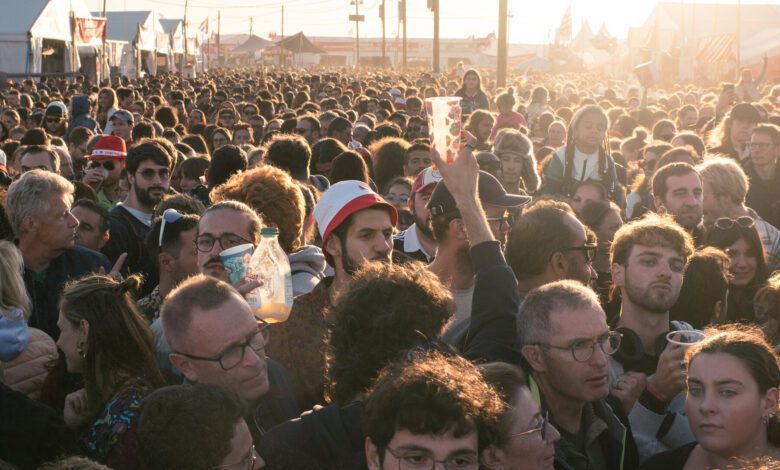
The Fête de l’Humanité brought concerts, political debate, trade-union organizing and food from across France and beyond to a former air base south of Paris in September 2024. The annual gathering grew from a Communist newspaper fundraiser into one of the country’s largest popular cultural festivals.
The event began with a newspaper
L’Humanité, founded by socialist leader Jean Jaurès in 1904 and later associated with the French Communist Party, launched the festival in 1930. Ticket and stall income helped support the publication while creating a physical meeting place for readers and activists.
The fair retained that political identity even as its musical audience became much broader.
Its location had recently changed
After decades at La Courneuve, organizers moved the festival to Base 217 in the Essonne department in 2022. The large former military airfield accommodated stages, campsites, food stands and political pavilions.
Moving farther from central Paris made rail, shuttle and traffic planning central to accessibility.
Food represented local political networks
Regional Communist federations, international solidarity groups and associations operated stalls serving local dishes. A plate of oysters, couscous, sausages or regional cheese could finance organizing and introduce visitors to a place or cause.
The convivial setting did not remove ordinary requirements for food safety, worker protection and transparent fundraising.
Music drew people beyond party membership
Large stages featured popular French and international performers alongside smaller acts. Many attendees came primarily for concerts and then encountered political discussions or union campaigns while walking through the grounds.
That mix allowed the festival to reach people who would never attend a party congress.
Debate was part of the programme
Panels addressed wages, pensions, racism, feminism, climate policy, international conflicts and the future of the French left. Politicians and labour leaders used the fair to test arguments before a sympathetic but not necessarily unified audience.
Open disagreement mattered because the left contained socialist, green, communist and radical traditions with different strategies.
The 2024 edition followed electoral upheaval
France’s snap parliamentary election produced a hung National Assembly. The left-wing New Popular Front won the largest number of seats, but President Emmanuel Macron appointed conservative Michel Barnier as prime minister.
Festival discussions therefore combined celebration of blocking a far-right majority with frustration over who would govern.
A workers’ paradise remained an aspiration
Volunteer labour, low-cost culture and trade-union presence gave the site an alternative character. Yet temporary workers, crowd management, ticket prices and commercial sponsors created the same practical tensions found at other large festivals.
Romantic descriptions should not hide the complex work required to stage it.
The fair’s endurance is the larger story
French Communist electoral strength declined substantially from its twentieth-century peak, while the festival remained culturally significant. It survived because people could participate at different levels—as activists, music fans, cooks, campers or curious visitors.
The Fête de l’Humanité was neither a neutral entertainment park nor a closed ideological meeting. Its identity came from putting politics beside ordinary pleasures and inviting a mass audience to move between them. That combination explained why a newspaper festival founded in 1930 could still occupy a vast public stage in 2024.