None of the former BC United candidates who continued as independents or unaffiliated candidates won a seat in British Columbia’s October 2024 election. The result ended the parliamentary presence of a party that, under its former BC Liberal name, had governed the province for 16 years and entered the campaign as the official opposition.
How BC United left the campaign
Leader Kevin Falcon suspended BC United’s campaign in August and endorsed John Rustad’s Conservative Party of BC. Polling and fundraising difficulties had placed BC United behind, and the agreement was presented as a way to avoid splitting the centre-right vote.
Some United candidates were adopted by the Conservatives. Eighteen others continued without the party banner, including incumbents who argued their local record deserved consideration independent of the province-wide realignment.
Five incumbents were defeated
Former BC United MLAs Mike Bernier in Peace River South, Tom Shypitka in Kootenay-Rockies, Karin Kirkpatrick in West Vancouver-Capilano, Dan Davies in Peace River North and Coralee Oakes in Prince George-North Cariboo all lost.
Conservative candidates won each of those districts, demonstrating the strength of the new party label among voters who previously supported BC United or the BC Liberals.
Other independent campaigns
Former NDP MLA Adam Walker, who had been removed from the NDP caucus, ran as an independent in Ladysmith-Oceanside and lost to NDP candidate Stephanie Higginson. Rachael Weber, previously removed as the Conservative candidate in Prince George-Mackenzie, also finished behind the major-party candidates.
British Columbia had a record number of independent and unaffiliated candidates, but none was elected. Local visibility can help an independent, yet party organizations provide branding, volunteers, data, financing and a province-wide candidate for premier.
A dramatic party collapse
The BC Liberals governed from 2001 until 2017 and remained the principal opposition afterward. They were not formally affiliated with the federal Liberal Party and combined federal Liberal and Conservative traditions.
The 2023 renaming to BC United was intended partly to reduce confusion and refresh the brand. It did not reverse the party’s decline, and the rapid rise of Rustad’s Conservatives displaced it before voters went to the polls.
What the election produced
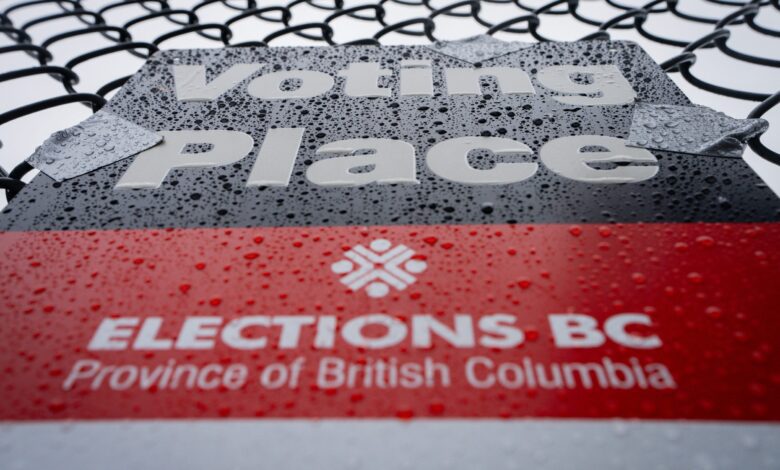
Elections BC’s final count elected 47 NDP MLAs, 44 Conservatives and two Greens. The Conservatives became the official opposition, while BC United won no seats because it no longer ran an official slate.
The final result confirmed the election-night direction but should be distinguished from early projections in close districts. Official declarations, not media calls, determine who enters the legislature.
Representation after defeat
Constituents who had relied on an experienced incumbent received a new MLA and, in some cases, a different political programme. Casework files and public records needed orderly transfer, while defeated members remained responsible for winding down their offices under legislative rules.
The incoming Conservatives also had to transform a fast-growing campaign into a functioning opposition caucus capable of scrutinizing budgets, legislation and appointments.
The wider lesson
The result did not prove that independent candidates can never win in British Columbia. Vicki Huntington represented Delta South for two terms as an independent, showing that exceptional local support can overcome party machinery.
In 2024, however, polarization and a compressed realignment left former United candidates little room. Their collective defeat completed the transfer of the centre-right opposition from BC United to the Conservatives and marked one of the fastest reversals in modern provincial politics.