
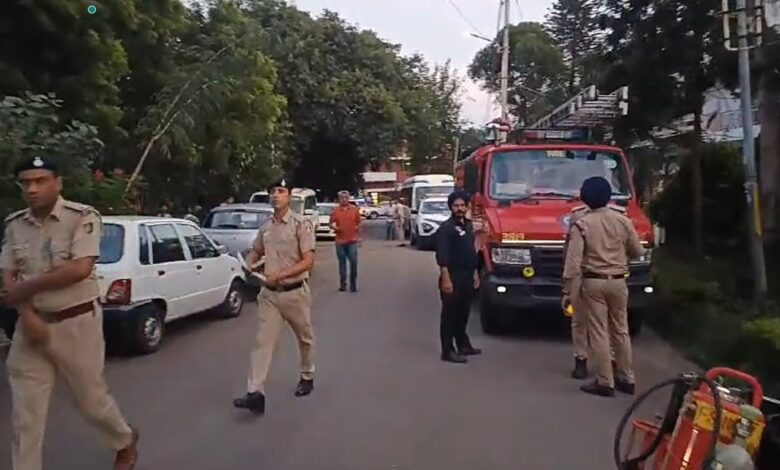
An explosion damaged a house in Chandigarh’s Sector 10 on the evening of September 11, 2024. Police reported no casualties, secured the area and called a bomb-disposal team to collect samples while senior officers examined the scene.
The first report was deliberately limited
Initial information established a blast at a residential property, broken glass and an active forensic response. Investigators had not yet publicly confirmed the device or motive when the earliest reports appeared.
Avoiding speculation was important in the hours after the incident.
Witnesses described two people arriving by auto-rickshaw
Police reviewed accounts and surveillance footage indicating that two men approached the house and one threw an object before they left. Those observations helped define the search but did not identify guilt by themselves.
Images shared publicly required verification and protection of uninvolved people.
Forensic teams had several tasks
Specialists could examine fragments, explosive residue, the blast pattern and entry route to determine what device was used. Investigators would also preserve fingerprints, DNA, digital records and vehicle footage.
Chain-of-custody documentation is necessary if evidence later reaches court.
Police later described it as a grenade attack
Subsequent investigation by Punjab and Chandigarh authorities identified the device as a hand grenade. Officials alleged that the property was selected in connection with a former police officer, although the wider plot still required proof.
Attribution had to remain tied to official findings and judicial outcomes.
A suspect was arrested after the blast
Punjab Police announced the arrest of Rohan Masih and alleged that he participated in throwing the grenade. A second suspected participant was sought, and investigators examined claimed direction from people outside India.
An arrest and police allegation are not a criminal conviction.
Online claims were evidence, not confirmation
A social-media account purportedly claimed responsibility. Such posts can be authentic, opportunistic or deliberately misleading, so investigators must connect them through account records, devices and corroborating communications.
News outlets should not amplify propaganda beyond what explains the case.
Residents needed practical safety information
People should avoid touching suspicious objects, move away without using radios or phones immediately beside a possible device and contact emergency services from safety. Crowding a scene can endanger residents and contaminate evidence.
Authorities should distinguish continuing danger from routine investigation when issuing alerts.
No casualty did not make the event minor
An explosive thrown at an occupied or potentially occupied home creates a grave risk even when chance or construction limits injuries. Security measures, victim support and a prompt evidence-led investigation were justified.
At the same time, communities should not be blamed for acts attributed to particular suspects.
The legal process had to complete the account
Prosecutors would decide which charges the evidence supported, while courts would test identity, intent and alleged conspiracy. Later reporting should record those outcomes and correct early claims that did not survive scrutiny.
The responsible chronology begins with a real explosion and no reported injuries, then separates verified forensic and police developments from allegation. That structure informs the public without converting an unfinished investigation into a verdict.



