
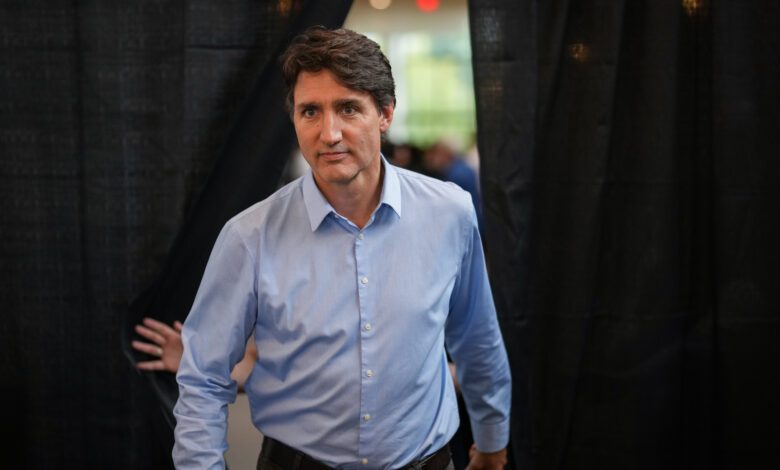
Liberal MPs presented a united public front at a September 2024 caucus retreat in Nanaimo, British Columbia, after a summer of internal debate and electoral setbacks. Prime Minister Justin Trudeau’s team used the three-day meeting to discuss political prospects before Parliament returned.
The retreat followed a difficult summer
The Liberals had lost a long-held Toronto riding to the Conservatives in a byelection. That result intensified questions about the government’s direction, leadership and ability to compete with Pierre Poilievre’s party.
Private disagreement did not necessarily mean an imminent leadership vote.
MPs had a chance to speak candidly
Caucus retreats allow lawmakers to discuss polling, local concerns and legislative priorities away from the daily pressure of Question Period. Public comments from participants described optimism, but closed-door views could be more varied.
A public display of unity was itself part of the political strategy.
Affordability was central to the contest
Canadians were facing high housing, food and borrowing costs. Liberals needed to show practical results on those issues while Conservatives argued that the government had made life less affordable.
Promises had to be assessed against budgets, jurisdiction and delivery timelines.
The fall sitting offered immediate tests
MPs were due back in Ottawa on September 16. The minority government would face opposition motions, confidence votes and a contested byelection in another riding the Liberals had traditionally held.
Parliamentary arithmetic limited what any party could pass alone.
Trudeau framed the contest as a choice
The prime minister said he was ready to debate Poilievre and defend a liberal identity. Conservatives portrayed the government as distracted by internal politics after nine years in office.
Both statements were campaign positioning rather than independent measures of performance.
Mark Carney’s presence drew attention
Former Bank of Canada governor Mark Carney advised the Liberals on economic policy and appeared in discussions about the party’s response to the cost of living. Advisers can shape messaging but do not hold elected authority.
Economic credibility would be judged through policies and results.
Unity had limits in a minority Parliament
Even a disciplined caucus could not pass legislation without negotiating with the NDP, Bloc Québécois or Conservatives. The NDP had recently ended its supply-and-confidence agreement, increasing uncertainty around votes.
Cooperation on one bill did not create a permanent coalition.
Local MPs carried different pressures
Members from urban, rural, Atlantic and western ridings faced different housing, industry and immigration concerns. A national message could not replace constituency-level work.
The retreat had to translate broad themes into proposals voters could evaluate.
The public front needed follow-through
Liberals left Nanaimo saying they were focused on Canadians and ready for Parliament. The test was whether ministers delivered measurable action, answered criticism and respected parliamentary scrutiny after returning to Ottawa.
A caucus can postpone internal conflict, but it cannot resolve electoral dissatisfaction by presentation alone. The retreat mattered because it concentrated decision-makers before a demanding session. Its lasting significance depended on whether the party used that time to improve policy, rebuild trust and give voters a clear reason to support it.



