Grand Chief Cathy Merrick of the Assembly of Manitoba Chiefs was honoured with ceremonies and a public lying-in-state at the Manitoba legislature after her sudden death on September 6, 2024. Family, Indigenous leaders, dignitaries and members of the public gathered to pay respects.
Merrick was a historic leader
A member of Pimicikamak Cree Nation, she became the first woman elected grand chief of the Assembly of Manitoba Chiefs in October 2022. Chiefs re-elected her in July 2024.
Her role represented 62 First Nations across the province.
Her death was sudden
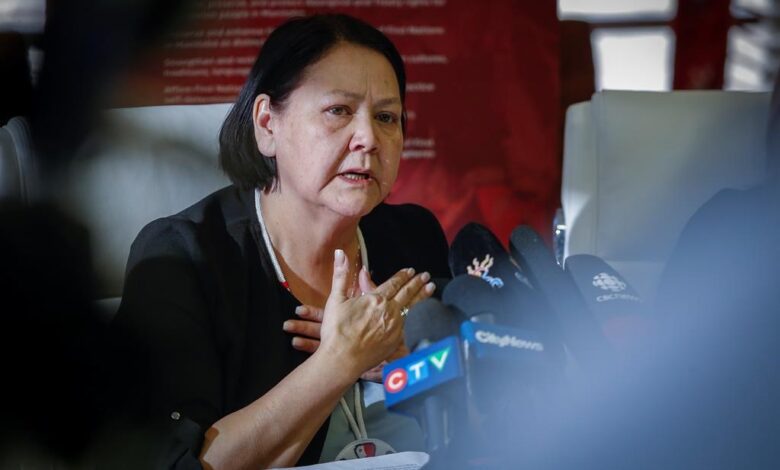
Merrick collapsed outside Winnipeg’s law courts while speaking with reporters and died at age 63. The abrupt loss interrupted an active second term and shocked colleagues who had seen her working that day.
Public coverage appropriately centred condolences and verified information.
A sunrise ceremony began the tribute
The Assembly of Manitoba Chiefs organized a sunrise ceremony at Oodena Circle at The Forks before events at the legislature. Cultural protocol shaped the public mourning rather than being added as decoration.
Participants were asked to respect guidance from family and Elders.
She lay in state at the legislature
Manitobans were invited to pass through the legislative building and pay their respects. The honour placed an Indigenous woman and First Nations leader at the centre of a provincial institution with a complicated colonial history.
The symbolism was widely recognized by mourners.
Her advocacy addressed urgent injustices
Merrick pushed for searches of Winnipeg-area landfills connected to missing and murdered Indigenous women, better health care, child-welfare reform and action on violence. She frequently carried families’ demands into provincial and federal forums.
Tributes should not detach her legacy from those unfinished causes.
Leadership was grounded in community
Before becoming grand chief, Merrick served as councillor and chief in Pimicikamak. That experience informed her emphasis on families, treaty rights and practical services.
Colleagues described a leader able to be firm while building relationships.
The Assembly faced a transition
Constitutional procedures and the chiefs themselves would determine interim leadership and a successor. A respectful transition had to continue active advocacy without turning mourning immediately into a political contest.
Staff and member nations also needed space to grieve.
Public institutions had responsibilities after the ceremony
Statements from political leaders carried weight only if paired with progress on the issues Merrick advanced. Families awaiting searches, safe water, equitable services and justice would judge governments by implementation.
Memorial language should not replace consultation with First Nations.
Her legacy remained collective and active
The ceremonies recognized one trailblazing life while gathering people across communities and governments. They also showed how much trust and responsibility had been placed in Merrick during a short period as grand chief.
Honouring her meant preserving an accurate record of her work and continuing the causes she elevated. The lying-in-state closed no chapter by itself; it offered Manitoba a public moment to listen and recommit.
For readers outside Manitoba, the respectful approach was to recognize Merrick by her public record and the words of her family and nations, avoiding speculation about private grief. Cultural ceremonies belong first to the communities conducting them.