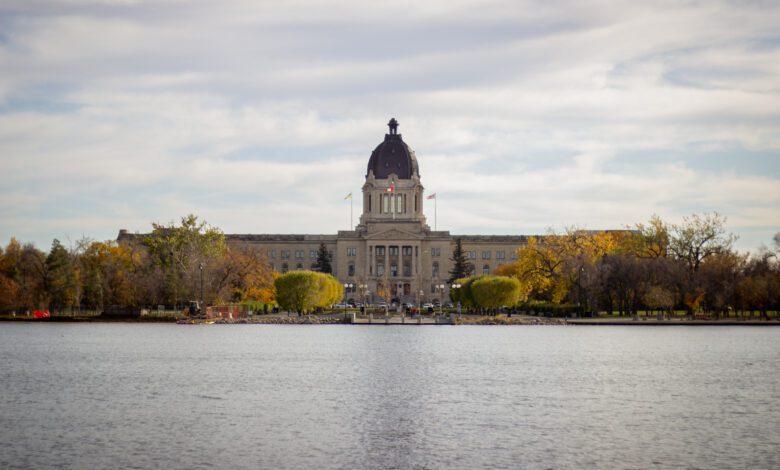
Indigenous leaders and candidates urged First Nations and Métis people to participate in Saskatchewan’s October 2024 provincial election. Indigenous people accounted for roughly 17 per cent of the province’s population, but population share alone did not guarantee influence over policy or representation.
Why participation was emphasized
Provincial decisions affect health care, education, child and family services, natural resources, policing, municipalities and economic development. Treaty relationships are primarily with the Crown and involve federal responsibilities as well, but the provincial government still makes consequential decisions.
Voting is one route to influence those decisions. It is not the only legitimate form of Indigenous governance or political action.
Different views of the electoral system
Some Indigenous leaders encourage voting so elected governments cannot ignore their communities. Others question participation in a colonial institution and prioritize their nations’ own laws and governance.
Those positions should not be collapsed into apathy. A person may decline to vote from a reasoned political conviction, while another may want to vote but face practical barriers.
Barriers are concrete
Remote distance, transportation, identification, inconsistent polling access, disability and limited information can make participation harder. Elections Saskatchewan worked with First Nations and Métis communities and recognized the importance of voting locations on First Nations land.
Later administrative research found many Indigenous respondents believed too little emphasis was placed on Indigenous hiring, voter encouragement and adequate voting places on First Nations. That feedback points to institutional work beyond one campaign.
Issues raised by communities
Priorities differ among nations and individuals, but recurring concerns include safe water, housing, health access, education, child welfare, resource revenue, land and treaty implementation. Urban Indigenous residents may face different service and representation questions from people living in northern or reserve communities.
Parties should publish measurable commitments and explain how Indigenous governments participated in developing them. A photograph with a leader is not consultation.
Avoiding assumptions about a voting bloc
No party is entitled to an Indigenous vote. First Nations, Métis and Inuit identities are distinct, and individual voters hold the same variety of economic and political views found elsewhere.
Polling often contains samples too small to describe Indigenous preferences accurately. Journalists should use community-specific reporting and disclose limits rather than assign a single partisan direction.
The 2024 participation record
Elections Saskatchewan later reported that 471,087 people voted, the highest raw number in a provincial election since 1991. Overall turnout was about 56.8 per cent. Province-wide totals do not reveal whether every community had equal access.
The Saskatchewan Party won 34 seats and the NDP 27. Indigenous political influence cannot be inferred only from that seat count because the secret ballot does not generally record identity.
Participation after election day
Voting can be followed by meetings with MLAs, submissions to committees, legal action, public advocacy and nation-to-nation negotiation. Elected governments retain treaty and constitutional obligations regardless of turnout.
The call to make Indigenous voices heard was therefore both practical and incomplete. A ballot can choose representatives; lasting influence requires accessible institutions, respected Indigenous jurisdiction and officials who remain accountable after the campaign leaves the community.