
How a U.N. Agency Became a Flashpoint in the Gaza War
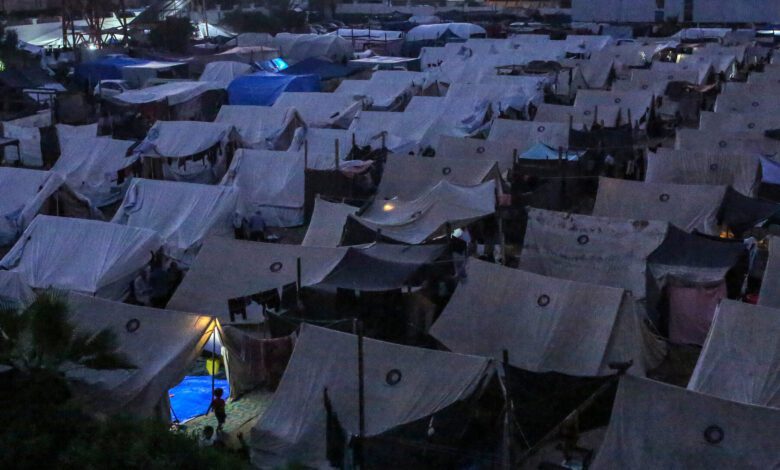
UNRWA became one of the most contested institutions in the Gaza war because it was simultaneously the territory’s largest humanitarian provider and the target of serious Israeli allegations. Debates over individual employees quickly threatened services for millions of Palestinian refugees.
The agency has a distinct mandate
The UN General Assembly created UNRWA in 1949 to provide education, health and relief to registered Palestine refugees in Gaza, the West Bank, Jordan, Lebanon and Syria. It is separate from the UN refugee agency serving most other regions.
Its mandate is renewed by member states.
Gaza relied heavily on its network
Before and during the war, UNRWA operated schools, clinics, warehouses and shelters with thousands of local employees. Its scale made it difficult for other agencies to replace rapidly.
Attacks and displacement turned many school buildings into crowded shelters.
Israel alleged staff involvement on October 7
In January 2024, Israel accused a small number of employees of participating in the Hamas-led attacks. UNRWA dismissed staff identified in the initial allegations and the United Nations opened investigations.
Individual allegations required evidence and could not automatically be applied to the entire workforce.
Major donors paused funding
More than a dozen governments suspended contributions, creating an immediate threat to operations. Most later restored support after reviews and new safeguards, while U.S. funding remained constrained.
Funding decisions affected displaced families who had no role in alleged misconduct.
Independent reviews examined neutrality
A review led by former French foreign minister Catherine Colonna found UNRWA had extensive neutrality mechanisms but needed stronger implementation, screening, training and oversight. It also noted that Israel had not provided supporting evidence for some broader public claims.
The separate investigation of individual cases continued.
Israel criticized educational and facility links
Officials alleged militant influence among employees, problematic educational content and use of facilities by armed groups. UNRWA said it investigated neutrality breaches and repeatedly protested military use when discovered.
Independent verification is necessary because all sides have strategic reasons to shape the narrative.
Employees and facilities suffered heavy losses
Hundreds of staff were killed during the war, and a large majority of agency buildings were damaged or hit. UNRWA said some personnel were detained and mistreated; Israel disputed or did not accept various allegations.
Humanitarian status requires protection but does not shield proven misconduct from accountability.
Abolition would not erase refugee needs
Ending the agency without a funded replacement would leave gaps in food distribution, primary care, education and shelter. Questions about long-term governance and refugee status cannot be answered by abruptly stopping emergency services.
Reform and continuity can be pursued together.
The controversy required disciplined distinctions
UNRWA is not Hamas; neither is it beyond scrutiny. Evidence against an employee, institutional control failure and the legality of military action are separate questions.
A credible approach protected civilians and aid workers, investigated allegations promptly, published findings where safe and strengthened oversight. Turning the agency into a political symbol obscured the practical question: who would deliver essential services to displaced people tomorrow, and under what accountable system?



