
Islamists Gain in Jordan, Reflecting Public Anger Over Gaza War
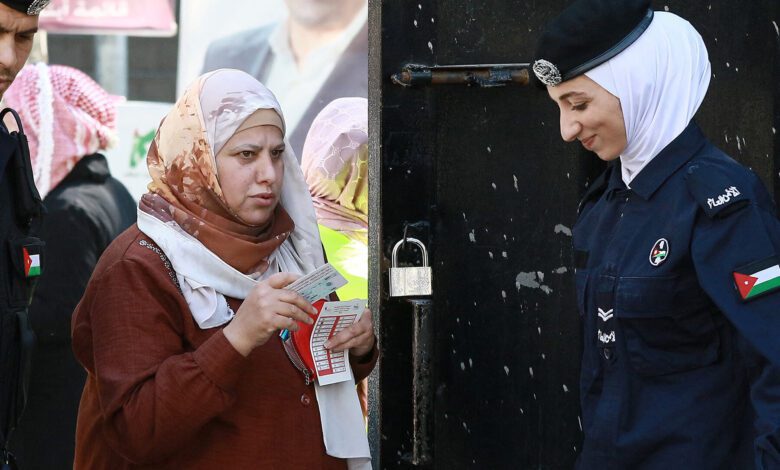
Jordan’s Islamic Action Front won 31 of 138 seats in the September 10, 2024 parliamentary election, becoming the largest single party without approaching a majority. Its gains reflected public anger over the Gaza war alongside domestic economic and political concerns.
The party substantially increased its representation
The Islamic Action Front, associated with Jordan’s Muslim Brotherhood, roughly tripled its presence in the lower house. The result was its strongest in decades and gave an organized opposition a more visible parliamentary platform.
It did not transfer control of government to the party.
Gaza dominated the political atmosphere
Large demonstrations and widespread solidarity with Palestinians shaped campaigning in a country with a large population of Palestinian origin. The party emphasized opposition to Israel’s military campaign and Jordan’s relationship with Israel.
Voters could share that anger without endorsing every position of the party.
Domestic pressures also mattered
Unemployment, living costs and frustration with established political networks affected public attitudes. An election result should not be reduced to a single foreign-policy issue when voters make choices for overlapping reasons.
Candidate organization and turnout can magnify those preferences.
Participation remained low
Turnout was about one-third of eligible voters. A disciplined party can gain a larger share of seats when many citizens stay home, but abstention has many causes and cannot be assigned automatically to one view.
The winning party still represented only part of the electorate.
Electoral rules had changed
The vote allocated 41 national seats through party lists as part of reforms intended to strengthen programmatic parties over local and tribal candidacies. The remaining structure continued to produce a fragmented chamber.
Rules help shape how votes translate into representation.
Jordan’s monarchy retains extensive authority
King Abdullah II appoints the government and the upper house, and foreign and security policy are not controlled by the elected lower house alone. A 31-seat bloc could question ministers and influence debate without directing the state.
Headlines describing a political takeover would therefore mislead.
The result tested the reform agenda
Officials had promoted gradual political modernization and stronger parties. An opposition plurality showed that opening party competition can produce outcomes the establishment may not prefer.
The credibility of reform depended on whether elected members could debate, organize and scrutinize policy meaningfully.
Regional consequences required restraint
Jordan remained a Western partner and maintained a peace treaty with Israel while criticizing the Gaza war. Parliamentary pressure could sharpen rhetoric or domestic policy without necessarily reversing those strategic arrangements.
Claims about future diplomatic change needed evidence from actual decisions.
The election expressed anger within constraints
The Islamic Action Front’s success was politically significant because it channelled Gaza-related outrage and broader dissatisfaction into seats. It was equally important to state the limits: most seats remained outside its control and institutional power was divided.
Responsible coverage should follow legislation, oversight and civil freedoms after the vote. The lasting meaning would depend on what parliamentarians accomplished, not solely on election-night labels.
Women and younger candidates also entered a system whose reforms were intended to widen representation. Their influence, committee roles and legislative records would provide another test of whether institutional change extended beyond party totals.



