
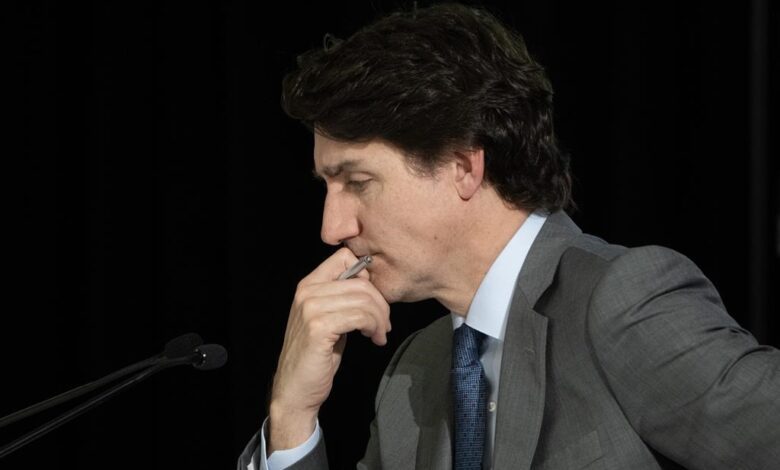
Prime Minister Justin Trudeau and senior Canadian officials were scheduled to return to the federal foreign-interference inquiry during its second factual phase in autumn 2024. The hearings would examine how institutions detect, deter and respond to interference, with broader attention to diaspora communities.
The commission had already examined two elections
Justice Marie-Josée Hogue led the independent public inquiry established in 2023. Its first factual phase considered possible interference in the 2019 and 2021 federal elections, information reaching senior decision-makers and the response during those periods.
An initial report was released in May 2024.
The next phase had a broader mandate
Stage two hearings were scheduled from September 16 through October 16. They would look beyond particular campaigns to institutional capacity, government processes and the experiences of communities targeted by foreign states.
Policy consultations were planned separately after the factual testimony.
The witness list was provisional
Trudeau was listed to appear on October 16 after officials from security agencies, departments and political parties. A provisional list can change as evidence develops and should not be presented as a final schedule.
Being called as a witness does not imply wrongdoing.
Security agencies faced detailed questions
Representatives of the Canadian Security Intelligence Service, Communications Security Establishment and RCMP were among those expected. The commission could examine how intelligence was collected, assessed, shared and converted into protective action.
Necessary secrecy can complicate public accountability.
Political parties were part of the system
Party officials and current or former parliamentarians could describe nomination contests, campaign safeguards and warnings they received. Foreign interference may exploit ordinary democratic activity rather than visibly alter ballots.
Evidence had to distinguish attempted influence from a proven effect on results.
Diaspora testimony was essential
Communities may face threats, surveillance, disinformation or pressure against relatives abroad. People reporting transnational repression need safe channels and assurance that intelligence concerns will not stigmatize an entire ethnic or political group.
Protection and civil liberties must operate together.
Public and closed evidence required balance
Some material could not be disclosed without exposing sources or methods. The commission still needed to provide reasons and unclassified summaries sufficient for Canadians to understand its findings.
Excessive secrecy would reproduce the information gap under examination.
Disinformation was a separate challenge
False or manipulated narratives can be amplified by state actors, domestic partisans or ordinary users. Responses should focus on authentic information, platform transparency and media literacy rather than grant government broad power over legitimate criticism.
Attribution requires technical and contextual evidence.
Testimony was one step toward reform
The return of senior leaders gave the commission an opportunity to compare what officials knew with what they did. Contradictions needed careful testing against documents, not partisan assumptions.
The inquiry’s value would ultimately depend on clear findings and workable recommendations: faster threat notification, defined responsibility, protection for targeted people and oversight that preserved both national security and democratic rights.
Parliament and the government would then have to decide which recommendations to implement and explain any rejection. Periodic public reporting could show whether promised safeguards became operational rather than remaining statements of intent.



