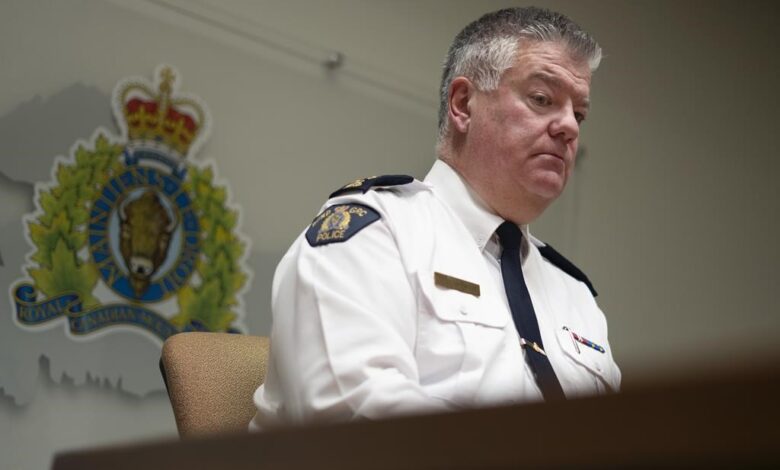
The Royal Canadian Mounted Police apologized in North Preston, Nova Scotia, on September 7, 2024 for the historic use of street checks and other harmful interactions involving African Nova Scotians and people of African descent. The apology followed community consultations and years of scrutiny over racial disparities in police stops.
What prompted the apology
A 2019 report led by criminologist Scot Wortley examined street checks in the Halifax region. It found that people of African descent were grossly overrepresented in the statistics and documented community experiences of unfair scrutiny and harm. The report issued 53 recommendations covering a ban or regulation of street checks, data collection and police-community relations.
Nova Scotia’s justice minister directed police services in April 2019 to stop street checks. The RCMP disabled the function used to add or modify those records in its local records-management system. Operational change, however, did not itself acknowledge the people affected or repair lost trust.
Community members shaped the event
From September 2023 through January 2024, RCMP representatives held consultations in 13 African Nova Scotian communities. The Association of Black Social Workers helped document the discussions, and a steering committee advised the commanding officer. Participants emphasized that an apology should be delivered in a meaningful community setting, directly name the racist harm and be followed by measurable action.
The September 7 event in North Preston reflected that guidance. Assistant Commissioner Dennis Daley, the Nova Scotia RCMP’s commanding officer, acknowledged that street checks had disproportionately harmed Black people and apologized on behalf of the force. The event was publicly accessible, allowing the words to be assessed against the community’s stated expectations.
An apology is a starting point
Consultation participants called for mandatory education about African Nova Scotian history and anti-Black racism, stronger accountability, better hiring practices, ongoing community involvement and regular examination of policing data. Some also raised trauma support and financial redress. These requests show why ceremonial language alone cannot be the final measure of progress.
The RCMP had reported work on recommendations before the apology, including training, community engagement and participation in national efforts to improve race-based data. Those initiatives can be evaluated only through transparent implementation, independently understandable data and sustained participation by affected communities.
Why street-check terminology matters
A street check generally refers to police recording identifying information about a person outside an arrest or formal investigation. It should not be confused with a lawful traffic stop, detention based on legal grounds or a voluntary conversation. The concern identified in Nova Scotia was that discretionary practices exposed Black residents to disproportionate surveillance and the lasting consequences of stored police information.
A permanent ban on the old practice reduces one route to harm, but racial bias can appear in other encounters. Meaningful reform therefore requires examining stops, searches, use of force, complaints and outcomes, not merely whether a database field remains disabled.
The verified sequence is clear: the disparity report appeared in March 2019, the province directed police to stop street checks the following month, consultations informed the wording and follow-up plan in 2023 and 2024, and the formal RCMP apology was delivered on September 7, 2024. Whether it restores trust depends on the durable actions and public accountability that follow.