
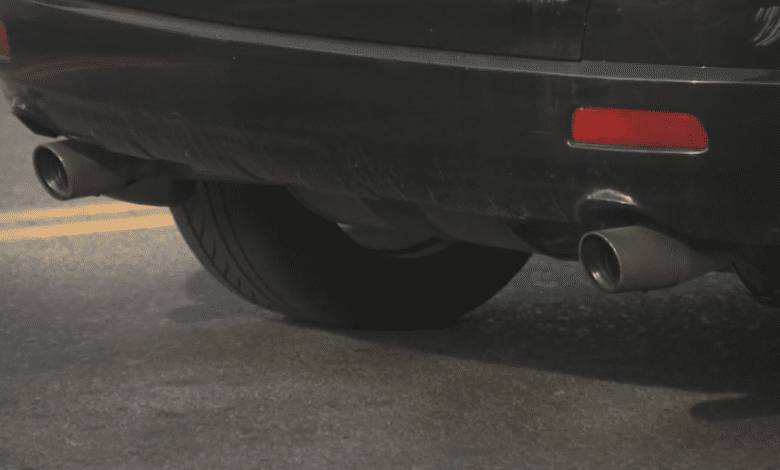
Calgary moved closer in September 2024 to letting bylaw officers enforce excessive vehicle-noise rules. A council committee unanimously endorsed amendments defining objectionable noise, setting measurable exhaust limits and creating penalties before the proposal went to full council.
The rules combined judgment and measurement
“Objectionable noise” would include vehicle sound that annoyed or disturbed a reasonable person. Officers could consider duration, volume, location and surrounding circumstances.
Those factors addressed disruptive revving while requiring consistent guidance to avoid arbitrary enforcement.
Specific decibel limits added objectivity
The proposal prohibited sound above 92 dB(A) while an engine idled and 96 dB(A) while a vehicle moved. Officers would measure about 50 centimetres from the exhaust outlet or rear centre when the outlet was not visible.
Calibration and a standardized test environment would be essential for defensible tickets.
Retarder brakes were addressed
The amendments restricted use of engine-retarding brakes by commercial vehicles in circumstances covered by the bylaw. Such systems can produce sharp noise, although drivers may need them for safety on steep grades.
Rules should preserve legitimate emergency use and provide clear signage.
Proposed fines were substantial
Administration recommended C$270 for exceeding a noise limit and C$300 for refusing an officer’s directions during testing. Refusal provisions help prevent motorists from defeating measurement.
Officers still needed lawful authority and safe procedures for each stop.
A pilot traffic-safety team would enforce the change
The city planned a team of bylaw officers to complement Calgary Police Service traffic units. Police had previously handled excessive vehicle noise under provincial traffic law.
Moving lower-risk enforcement could free police for dangerous driving while expanding response to chronic complaints.
Noise has real public-health effects
Repeated high sound can disturb sleep, increase stress and reduce enjoyment of homes and public space. Residents in dense neighbourhoods can be affected by a small number of deliberately modified vehicles.
Enforcement should focus on harmful conduct rather than hostility toward ordinary enthusiasts.
Vehicle owners needed a way to check
Officials proposed public education and amnesty events where drivers could test vehicles before penalties began. Clear instructions about legal exhaust modifications could prevent violations.
Voluntary testing also gives the city data about equipment and measurement variability.
Fairness depended on repeatable procedure
Weather, background traffic, engine speed and microphone placement can affect readings. Written protocols, trained officers and documented calibration protect residents and motorists alike.
An appeal path allows genuine errors to be corrected.
Committee approval was not final law
Full council still had to approve the amendments later in September. If adopted, implementation and education would follow.
The city could publish anonymized enforcement data by location, test type and outcome to reveal whether complaints fell and whether particular communities were disproportionately stopped. Periodic noise measurements would show whether the pilot changed conditions instead of simply adding tickets.
The measure’s success would not be the number of tickets but fewer disruptive incidents and greater neighbourhood confidence. Calgary had moved beyond a vague complaint toward enforceable criteria; the remaining task was to apply them consistently, proportionately and transparently.



