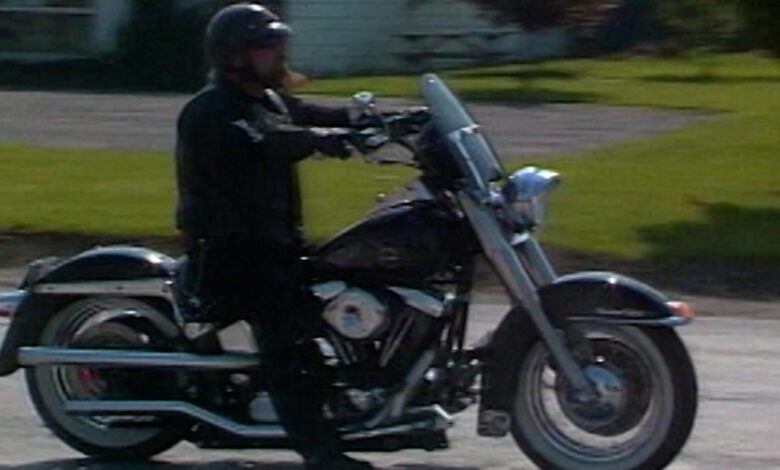
Police in Gananoque, Ontario, prepared for roughly 150 members of the Outlaws Motorcycle Club and affiliated groups to gather on Friday, September 13, 2024. The town had hosted similar meetings on Friday the 13th for about six years.
The gathering was separate from Port Dover
Ontario’s best-known Friday-the-13th motorcycle event takes place in Port Dover and attracts ordinary riders in large numbers. Gananoque officials said the local gathering specifically involved the Outlaws and affiliates.
Confusing the two could unfairly characterize participants at the larger public rally.
Police planned a visible presence
Gananoque Police Service and the Ontario Provincial Police warned residents to expect additional officers. The stated purpose was public safety, traffic management and readiness if an offence occurred.
A larger deployment did not mean violence was certain.
Authorities used the term outlaw motorcycle gang
The OPP describes the Outlaws as an organized-crime group associated with offences that can harm communities. That institutional assessment explains the response but does not make every person wearing club insignia guilty of a crime.
Criminal responsibility remains individual and evidence-based.
Residents were not told to panic
Officials asked people to remain aware, avoid unnecessary confrontation and contact police about specific concerns. Businesses and drivers could plan for congestion while continuing ordinary activity.
Rumours about mass disorder should not be repeated without confirmation.
Traffic was a predictable issue
Even a peaceful arrival of many motorcycles can affect parking, intersections and noise in a small community. Temporary controls can protect riders, pedestrians and emergency access.
Clear public notices reduce confusion more effectively than vague warnings.
Police intelligence should guide proportionality
Previous gatherings, current information and known inter-group tensions can justify preventive planning. Surveillance or stops still require lawful grounds and should not rest solely on appearance.
Documented operational rules protect both civil liberties and officer safety.
Media language carries consequences
Reports should distinguish allegations, official classifications, charges and convictions. Images of motorcycles can create an impression of criminal conduct even when no incident is shown.
Precise attribution prevents legitimate public-safety reporting from becoming sensationalism.
Community safety has several dimensions
Residents may worry about intimidation, while visitors may fear being treated as suspects merely for riding. De-escalation, accessible complaint channels and consistent enforcement help address both concerns.
Emergency services also need routes that remain open throughout the gathering.
The proper measure was what occurred
After the event, police could report arrests, charges, collisions and complaints, including if none occurred. Transparent results allow the public to assess whether resources were appropriate and improve planning for future dates.
Local leaders could separately review effects on shops, tourism and residents, rather than allowing policing statistics alone to define the day.
Any temporary restrictions should end promptly after the group departed. Retaining extraordinary controls without a continuing risk would be difficult to justify.
Police communication also needed a single verified channel so edited photographs, old videos or reports from other towns were not mistaken for current Gananoque incidents.
The advance notice described a credible operational concern, not a prediction of violence. Gananoque’s task was to manage a recurring, identifiable gathering safely while preserving lawful movement and judging each person’s conduct individually.