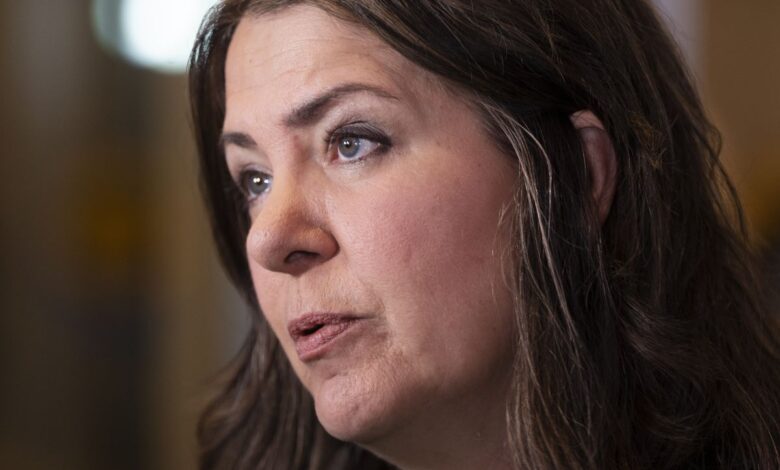
Alberta Premier Danielle Smith said in September 2024 that her province opposed receiving thousands of additional asylum claimants through a potential federal redistribution plan, particularly without funding. Ottawa said transfers would require consent from both claimants and participating provinces.
Ontario and Quebec faced disproportionate pressure
Most asylum claimants were arriving in Canada’s two largest provinces, straining temporary shelter and municipal services. Federal Immigration Minister Marc Miller said officials were discussing a fairer voluntary distribution across the country.
The proposal was exploratory rather than an imposed quota.
Alberta cited rapid population growth
Smith argued that immigration had increased demand for housing, schools, health care and infrastructure. She said Alberta could not afford an additional intake without support.
Population growth can add skills and tax revenue while still creating immediate service costs.
Ottawa promised consent
Miller’s office said no province would be forced to accept claimants and no claimant would be moved without agreement. Federal funding and responsibilities were part of talks with willing jurisdictions.
That assurance contradicted public claims that transfers had already been ordered.
Asylum is a legal process
A claimant asks Canada for protection and must establish eligibility and refugee grounds through adjudication. An unresolved claim is neither guaranteed acceptance nor proof of abuse.
Applicants retain legal and human rights while decisions are pending.
Municipalities carry frontline costs
Local governments often provide emergency shelter, transit and community support despite limited revenue tools. Provinces oversee health, education and social assistance, while Ottawa controls borders and funds settlement measures.
Disputes between governments can leave people in unsafe temporary accommodation.
Distribution alone does not create housing
Moving claimants away from crowded shelters may relieve one city, but a destination needs available units, legal services, language support and jobs. Rural placement without transport can deepen isolation.
Local capacity should be assessed before any voluntary transfer.
People’s skills can benefit communities
Ottawa emphasized that claimants bring experience as well as needs. Faster work permits and credential recognition can help households become self-supporting and fill genuine vacancies.
Employment access does not replace the duty to decide claims fairly.
Funding should follow verified costs
A workable agreement could reimburse temporary housing, health screening, schooling and legal navigation using transparent formulas. Multi-year planning is more stable than emergency grants after shelters overflow.
Public reporting should show spending without identifying vulnerable individuals.
The dispute needed accurate language
At the time, Ottawa was consulting provinces, not forcibly relocating a fixed number of people. Alberta had legitimate questions about capacity, while the federal government had a national responsibility to prevent uneven pressure.
A durable solution required consent, resources, rapid case processing and attention to where housing and services actually existed. Political slogans about affordability or open borders could not substitute for a plan that treated claimants lawfully and communities honestly.
Claimants should receive independent information before agreeing to move, including where they will live, how their legal case will continue and what services are available.
Better federal forecasting could also help provinces budget before arrival numbers rise, reducing the cycle of emergency meetings and public blame.