
The Contention Over Mexico’s Plan to Elect Judges, Explained
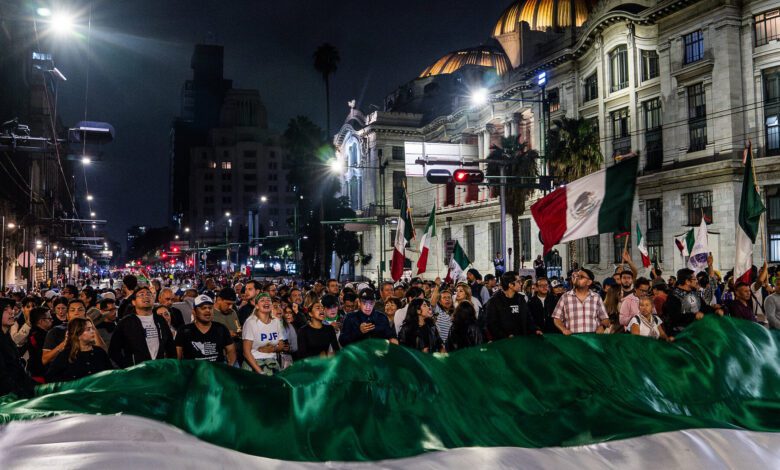
Mexico’s Senate approved a constitutional overhaul of the judiciary in September 2024 after an intensely disputed debate. The plan proposed direct popular elections for thousands of judges, magistrates and Supreme Court justices, replacing much of the appointment-based system.
The reform covered the federal judiciary
Voters would choose Supreme Court members and other federal judges from screened candidate lists. An extraordinary election was planned for 2025, with remaining positions to follow later.
The scale made Mexico an international test of elected judicial selection.
Supporters promised democratic accountability
President Andrés Manuel López Obrador and the governing Morena party argued that courts were distant from ordinary citizens, vulnerable to corruption and protective of entrenched interests. They said elections could make judges answerable to the public.
Popular legitimacy, however, does not by itself guarantee legal expertise or independence.
Critics feared political capture
Opposition parties, legal associations and some investors warned that campaigning could expose judges to party machines, wealthy donors or criminal groups. Short candidate lists assembled by political institutions could also limit genuine voter choice.
Those risks required transparent nominations, finance rules and personal security.
The Supreme Court would become smaller
The measure reduced the court from 11 justices to nine and shortened terms. It also abolished the existing judicial council and created new bodies for administration and discipline.
Changing oversight could improve accountability or become a channel for pressure, depending on safeguards.
The Senate vote was politically dramatic
The governing coalition needed a supermajority and secured the decisive support necessary for passage. Protesters entered the Senate building, forcing lawmakers to move their session while demonstrations continued outside.
Disruption reflected the reform’s stakes but did not settle its constitutional merits.
State legislatures still had a role
Because it amended the constitution, approval by a majority of Mexico’s state legislatures was required after Congress acted. Publication in the official gazette would then bring the changes into force.
That process moved rapidly because Morena and allies controlled many state congresses.
Labour and trade concerns followed
Judicial employees protested over careers and job security. The United States and Canada raised concern about legal certainty ahead of future review of the continental trade agreement.
Foreign criticism was relevant to investment but Mexico retained authority over its constitutional design.
Elections create practical challenges
Ballots containing many unfamiliar judicial candidates could overwhelm voters. Election authorities needed money, clear information, enforceable campaign rules and procedures for replacing experienced judges without paralyzing courts.
Low-information voting might reward famous surnames or organized blocs.
The real test would come in implementation
The argument was not simply democracy versus elitism. Courts must be accountable for corruption and delay while also remaining able to rule against popular governments.
Mexico would need public candidate records, conflict disclosures, secure tenure, reasoned disciplinary decisions and reliable monitoring of campaign influence. Case backlogs and access to justice should be measured before and after the change.
The reform promised a historic transfer of power to voters, but its success could only be judged by whether courts became more accessible and honest without losing the independence required to protect constitutional rights.



