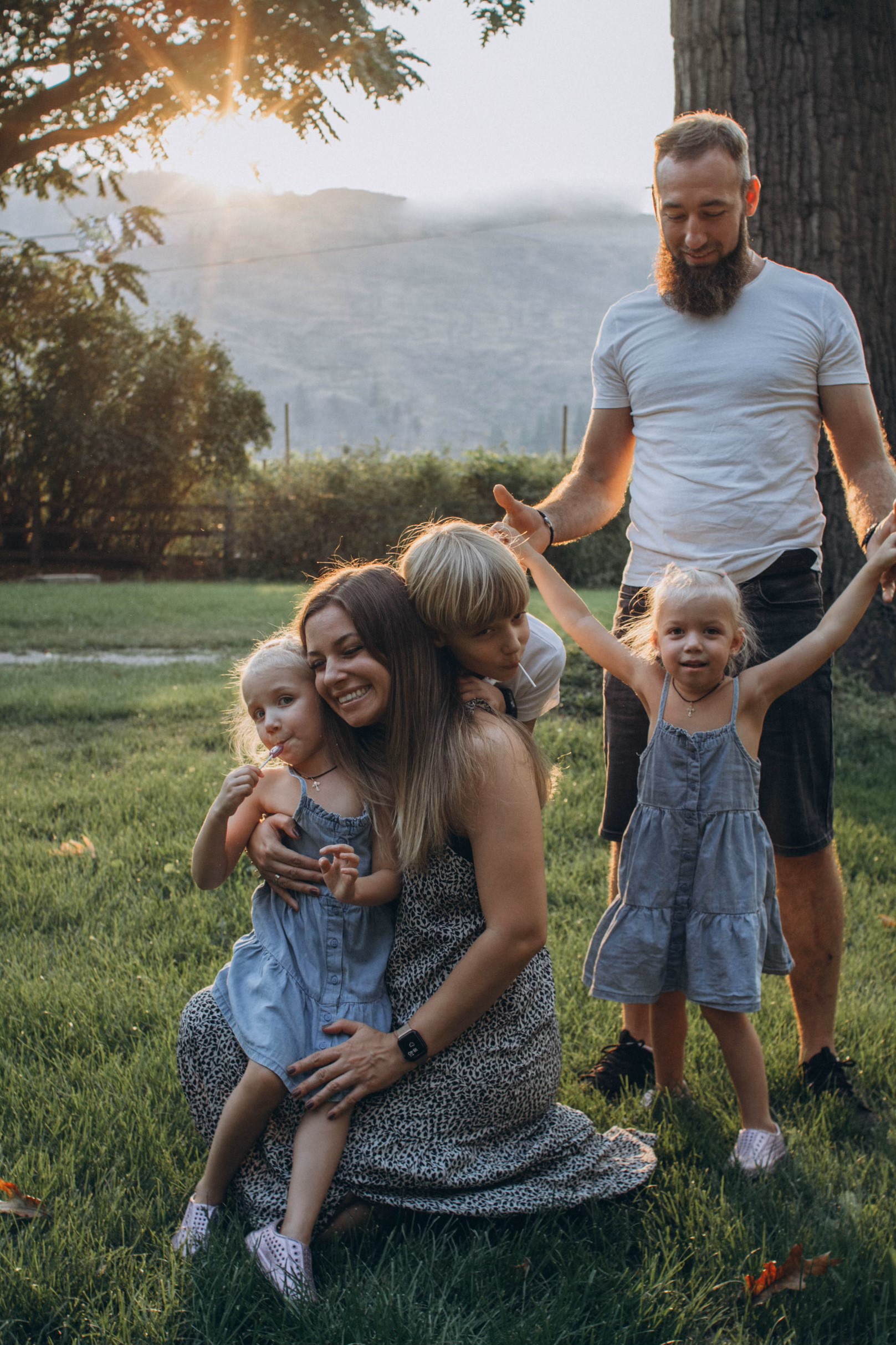
An Okanagan community rallied around Ukrainian newcomer Anika “Nika” Kyrychenko and her three young children after her husband Ivan died from cancer in August 2024. The family had escaped war seeking security in Canada, only to face a second crisis less than two years after arriving.
The family reached Canada in 2022
Nika, Ivan and their children settled in British Columbia’s Okanagan region in November 2022 after leaving Ukraine. Like many displaced families, they had to rebuild routines, employment and social connections while separated from much of their previous support network.
Ivan became the household’s principal income earner.
A serious diagnosis came in spring 2024
Ivan, 34, was diagnosed with an advanced sarcoma. The cancer spread to his lungs and spine, and his condition deteriorated over approximately five months.
He died on August 29, leaving Nika to grieve while caring for three young children and confronting an abrupt loss of income.
The children’s needs added pressure
The couple’s five-year-old twin daughters had been diagnosed with autism. One was described as non-speaking and needing substantial daily support.
Autism does not make tragedy inevitable, but interruptions to familiar people, routines and services can be especially difficult for children who rely on predictability or communicate differently.
Community organizations offered practical help
People connected with Autism Okanagan and advocate Tammy Gilmour helped publicize the family’s circumstances. Neighbours and supporters organized fundraising intended to cover essential living costs and give Nika time to care for the children without immediately replacing Ivan’s income.
The response turned sympathy into concrete assistance.
Bereavement carries administrative burdens
After a death, a surviving parent may need to manage funeral arrangements, housing, school communication, benefits, immigration documents and medical services at the same time. Language barriers and unfamiliar institutions can multiply that work.
Reliable helpers can reduce the number of agencies a grieving person must navigate alone.
Financial support should respect dignity
A fundraiser can provide flexibility for rent, food, transport, therapy and childcare, but public appeals also expose a family’s private pain. Donors should use the verified campaign shared by known community organizations and avoid demanding intimate updates in exchange for help.
The family remains entitled to privacy after accepting support.
The story was not only about refugees
War displacement shaped the family’s vulnerability, but the immediate challenges—cancer, bereavement, caregiving and income loss—can affect any household. The absence of extended family nearby made ordinary community networks particularly important.
Schools, service groups and neighbours can each address a different part of that gap.
Long-term assistance matters
Donations often peak when a story first receives attention, while grief and disability-related care continue for years. Sustainable help may include respite care, accessible counselling, transportation, employment support and consistent relationships with people the children know.
Coordination prevents well-intentioned offers from becoming another task for the parent.
A community response cannot erase the loss
Money could not replace Ivan or undo the upheaval the family had already endured. It could provide breathing room, reduce immediate insecurity and demonstrate that newcomers were not alone when crisis arrived.
The Okanagan response was therefore best understood as solidarity rather than rescue. Nika remained the decision-maker for her family; supporters supplied time, resources and companionship. In a story marked by war, illness and grief, that respectful partnership offered the most useful form of hope.