
Sweeping Iraq Raid Killed 4 ISIS Leaders
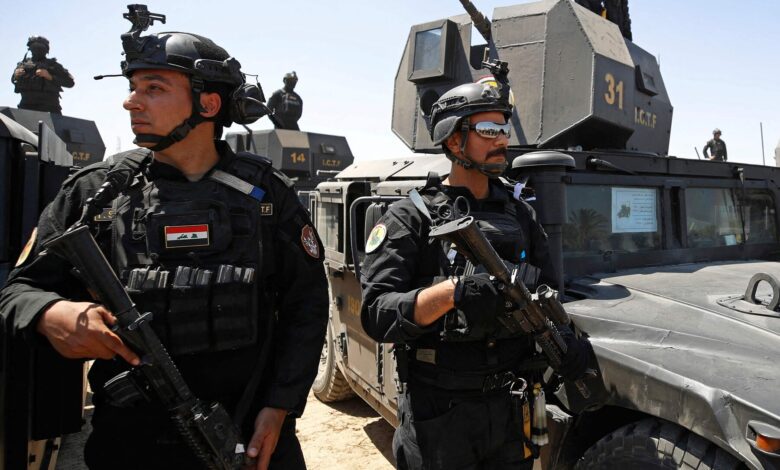
United States Central Command said four senior Islamic State leaders were among 14 militants killed in a partnered raid with Iraqi Security Forces in western Iraq on August 29, 2024. The confirmation followed a post-operation identification process and clarified the intended command-level impact of the mission.
The operation targeted an ISIS network
CENTCOM described the raid as an effort to disrupt the group’s ability to plan, organize and conduct attacks against Iraqi civilians, American citizens and regional partners. Iraqi forces participated directly rather than serving only as a source of intelligence.
Operational claims came from the military command and required attribution.
Four leaders were identified
The command named Ahmad Hamid Husayn Abd-al-Jalil al-Ithawi as responsible for ISIS operations across Iraq. Abu Hammam was described as overseeing western Iraqi operations, Abu Ali al-Tunisi as leading technical development, and Shakir Abud Ahmad al-Issawi as supervising military operations in western Iraq.
The names and roles emerged during the continuing assessment.
The final stated death toll was 14 operatives
Early reporting around complex raids can change as forces search a site and identify bodies. CENTCOM’s September 13 release specified 14 ISIS operatives killed.
A later official count should not be mixed with preliminary figures without explaining the difference.
Leadership losses can disrupt operations
Removing commanders may interrupt financing, communications, bomb-making knowledge and relationships with local cells. It can also force remaining members to take greater risks while rebuilding contacts.
However, militant organizations often prepare replacements, so a successful raid does not by itself eliminate the wider threat.
ISIS no longer held its former territory
The group lost the last major part of its self-declared caliphate in 2019, but cells continued attacks and recruitment in Iraq and Syria. Rural terrain, political grievances and security gaps allowed smaller networks to survive.
The raid reflected a counterterrorism phase focused on dispersed operatives rather than conventional front lines.
Iraqi capability remained essential
Long-term security cannot rest only on periodic foreign operations. Iraqi intelligence, policing, courts and accountable local governance determine whether disrupted cells can reorganize.
Civilian trust is especially important because communities provide information and bear the consequences of both militant violence and security mistakes.
Evidence after a raid matters
Recovered documents, electronic devices, weapons and biometric material can reveal networks beyond those present at the location. Analysts must preserve that material and distinguish verified associations from casual contact.
Public releases often provide less detail because disclosure can compromise follow-up investigations.
Civilian protection remains a legal obligation
Counterterrorism forces must distinguish fighters from civilians and take feasible precautions to limit harm. Authorities should investigate credible allegations and report confirmed civilian casualties transparently.
Tactical success cannot excuse unlawful conduct.
The strategic test comes after the operation
CENTCOM commander General Michael Erik Kurilla said the command remained committed to the enduring defeat of ISIS. “Enduring” is the difficult part: it requires preventing prison breaks, recruitment, financing and renewed control of vulnerable communities.
The August raid removed figures whom the United States military regarded as important operational leaders. Its lasting value would depend on what Iraqi and coalition authorities learned from the site, whether successor networks were disrupted, and whether local institutions could reduce the conditions that militants exploit. The confirmed result was significant, but it was one operation in a much longer security effort.



