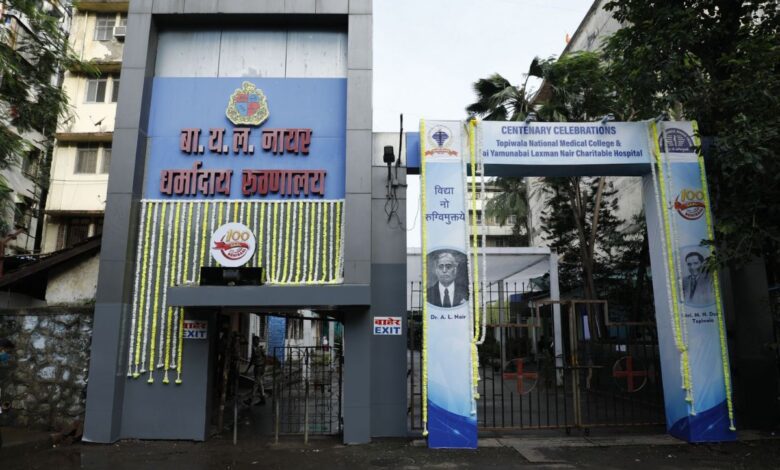
Mumbai’s civic authority suspended an associate professor at BYL Nair Hospital in September 2024 after a medical student alleged sexual harassment and further complaints surfaced. The action followed criticism that earlier recommendations to transfer the faculty member did not adequately protect students or address the seriousness of the allegations.
The complaint concerned incidents in March
The student said the professor summoned her to his office twice, ostensibly to discuss her participation in sports. She alleged that he touched her without consent under the pretext of conducting a medical examination and made comments that caused discomfort.
These remained allegations to be tested through a fair inquiry.
The student first sought help inside the college
Reporting indicated that she approached another faculty member but did not see effective action. She later filed a complaint with the institution’s Internal Complaints Committee.
Accessible reporting channels are essential where a student depends on a teacher for instruction, assessment and career progression.
Committees initially recommended a transfer
The hospital committee and a local complaints body examined the complaint. A confidential report dated September 5 recommended moving the accused professor to another hospital until the student completed her course.
It also said he should not serve as an examiner in any of her assessments.
A transfer was criticized as insufficient
Moving an employee can separate the complainant and respondent, but it may also shift risk to another workplace and appear to treat alleged misconduct as an administrative inconvenience. Public pressure grew for a response proportionate to the findings already recorded.
Suspension pending inquiry is not a declaration of criminal guilt.
BMC escalated the investigation
The Brihanmumbai Municipal Corporation announced the suspension and transferred the matter to the workplace Sexual Harassment Prevention Committee and the Savitribai Phule Women’s Resource Centre committee at civic headquarters.
The higher-level review was intended to examine additional complaints as well as the original allegation.
Institutional independence matters
Internal committees must follow the Sexual Harassment of Women at Workplace law, protect confidentiality and avoid retaliation. Members need appropriate training and must give both complainant and respondent a meaningful opportunity to present evidence.
Hospital hierarchy should not influence findings.
Medical education creates particular vulnerabilities
Students work long hours in clinical settings and rely on senior doctors for grades, postings and recommendations. Private examinations or meetings can be legitimate, but professional boundaries, consent and chaperone policies reduce opportunities for abuse or misunderstanding.
Clear protocols protect patients, students and faculty alike.
Confidentiality should not become silence
The student’s identity must be protected, and unnecessary details can cause further harm. At the same time, the institution should disclose its process, safeguards and eventual findings sufficiently to demonstrate accountability.
Rumours and social-media identification can undermine both fairness and safety.
The response required more than one personnel decision
BMC needed to establish whether earlier reports were delayed or minimized, whether more students required support and whether reporting systems were trusted. Counselling, academic protection and independent avenues for complaints were important while the inquiry continued.
The verified development was that an accused professor was suspended after multiple complaints prompted a broader investigation. Responsible coverage should preserve the presumption of innocence while taking complainants seriously, and should judge the hospital by whether it conducts a timely, lawful inquiry and implements safeguards beyond this single case.