
Paris Throws a Final Olympics Bash
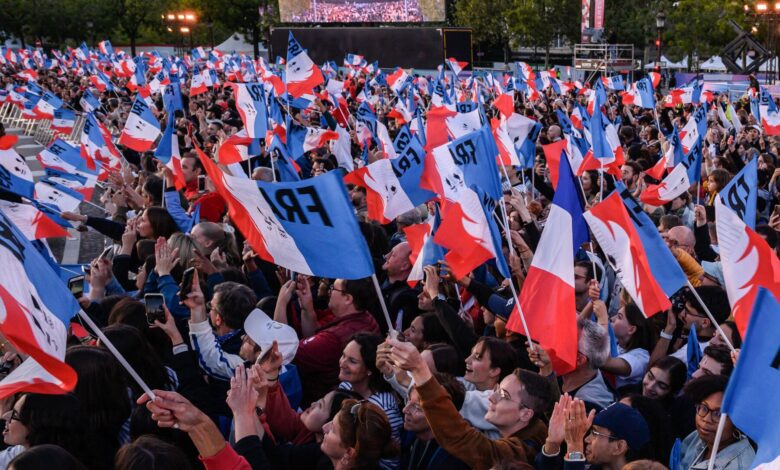
France gave the Paris 2024 Olympic and Paralympic summer a final public farewell on September 14, bringing athletes, volunteers and organizers onto the Champs-Élysées for a “Parade of Champions.” The celebration ended beneath the Arc de Triomphe with national decorations and a concert recalling music from the Games’ ceremonies.
The parade joined Olympians and Paralympians
French athletes from both Games travelled together along an elevated route on the upper Champs-Élysées. Medal winners and teammates who had not reached the podium shared the public recognition.
The format reinforced the organizers’ promise to present the Olympic and Paralympic movements as one summer.
Thousands who delivered the Games participated
Volunteers, organizing-committee employees, sports federations, public workers and partners also joined. Their inclusion acknowledged that transport, security, venues, medical care and visitor support depended on a workforce far larger than the athlete delegations.
The event was celebration rather than a complete audit of working conditions or spending.
About 70,000 spectators gathered
Ticketed viewing areas stretched from the famous avenue to Place de l’Étoile. Organizers created a television-scale event while keeping the route accessible to a large live audience.
Road and transit restrictions began well before the programme and continued into the night.
Security remained extensive
About 4,000 police and gendarmes were mobilized, with an anti-terror protection perimeter around the Champs-Élysées and Arc de Triomphe. The measures reflected the same security environment that shaped the Games.
Bag controls and closed streets were part of attending a major open-air celebration.
French medal winners received honours
President Emmanuel Macron and former sporting champions presented appointments to the Legion of Honour and National Order of Merit. Contemporary coverage recorded 118 Paris medallists being decorated: 66 Olympic and 52 Paralympic athletes.
Rules differed according to medal, team history and honours already held.
The ceremony carried national symbolism
The programme included rekindling the flame at the Tomb of the Unknown Soldier. Placing sporting achievement beside a national memorial connected the summer celebration to France’s civic rituals.
That setting required organizers to balance festivity with solemnity.
Music revived the ceremonies
A concert around the Arc de Triomphe brought back performers and musical themes associated with the opening and closing productions. The circular stage became a dance floor as athletes and spectators extended the event toward midnight.
It was an epilogue rather than another official Olympic closing ceremony.
The parade followed an exceptional medal summer
Host-country athletes had benefited from home crowds and substantial preparation. French successes included swimming, judo, rugby sevens, fencing, cycling and Paralympic disciplines, while the public also celebrated competitors who fell short of medals.
The final parade converted separate venue memories into a shared civic occasion.
A party could not answer every legacy question
Paris 2024 was praised for atmosphere and the use of landmarks, but long-term assessment also involved cost, accessibility, displacement, transport and whether sports participation increased. Those outcomes would emerge after temporary venues disappeared.
On September 14, France deliberately paused that evaluation to thank the people who produced and contested the Games. The celebration’s inclusive design—Olympic and Paralympic, champions and support workers—was its strongest legacy statement. The next test was whether the visibility and accessibility promised during the summer persisted after the lights around the Arc de Triomphe were switched off.



