
Brazilian Politician Upends Debate by Hitting Opponent With Chair
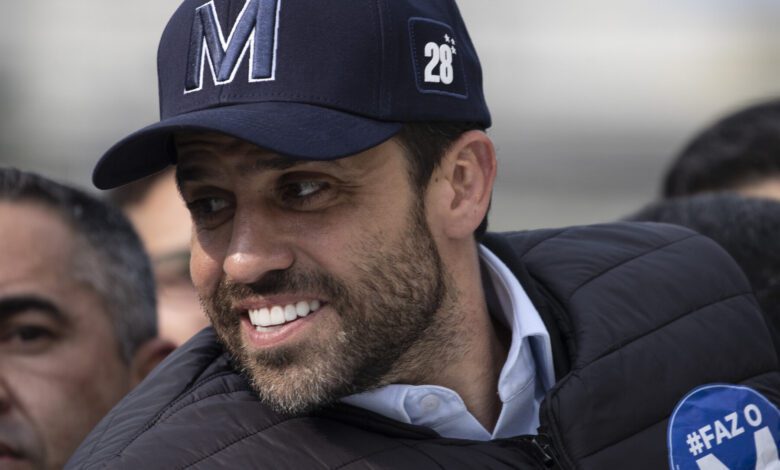
A televised São Paulo mayoral debate descended into violence on September 15, 2024, when candidate José Luiz Datena struck rival Pablo Marçal with a chair. The episode interrupted a close campaign in Brazil’s largest city and shifted attention from municipal policy to provocation, safety and political conduct.
The confrontation followed personal attacks
Marçal repeatedly taunted Datena and referred to a past allegation of sexual misconduct. Datena denied wrongdoing; the earlier complaint did not result in a criminal prosecution after the accuser withdrew it.
That background did not justify physical violence during the debate.
Datena left his podium
Video showed the television presenter turned politician approaching Marçal and swinging a metal chair. Moderators stopped the confrontation and the broadcast went to a break.
TV Cultura expelled Datena under the event’s rules while the remaining candidates continued.
Marçal went to hospital
An ambulance took Marçal to Sírio-Libanês Hospital for assessment. His campaign reported injuries, while images and competing statements rapidly circulated online.
Medical claims should be limited to confirmed clinical information rather than campaign promotion.
Both men built careers in media
Datena was nationally known for presenting crime-focused television before entering the race with the Brazilian Social Democracy Party. Marçal was a wealthy self-help entrepreneur and social-media influencer running for the Brazilian Labour Renewal Party.
Their visibility helped the confrontation travel far beyond São Paulo.
The race included major alternatives
Incumbent mayor Ricardo Nunes and federal lawmaker Guilherme Boulos were leading contenders, with Marçal competing closely. Other candidates included Tabata Amaral and Marina Helena.
Reducing the election to two combative personalities obscured choices over transport, housing, public safety and inequality.
Provocation was part of campaign strategy
Marçal used confrontational clips and personal accusations to dominate social feeds. A violent response generated still more attention and allowed campaigns to recast the incident for supporters.
Viral reach is not evidence that a candidate can administer a city of more than 11 million people.
Debate organizers faced a security problem
Rules normally address speaking time and verbal misconduct, but physical escalation requires trained staff, spacing and a clear removal protocol. Organizers also must avoid arrangements that transform legitimate debate into staged conflict.
Safety measures should apply equally without shielding candidates from difficult questions.
Police and electoral consequences were distinct
Potential criminal investigation concerned the assault itself. Broadcasters could separately enforce debate rules, parties could discipline candidates and voters could weigh character.
None of those processes should be replaced by social-media verdicts.
Violence undermined democratic accountability
Personal provocation may explain the sequence but cannot excuse an attack. Candidates seeking executive power have a responsibility to demonstrate restraint, and opponents have a responsibility not to weaponize unverified allegations.
Responsible reporting should show enough context to understand what occurred without repeatedly circulating the impact as entertainment. The chair strike was newsworthy because it violated the conditions of democratic debate; it should not become a substitute for scrutiny of how each candidate proposed to govern São Paulo.
The aftermath also tested other candidates. They could condemn violence, refuse further personal escalation and return public attention to verifiable records and policies. Broadcasters, meanwhile, had to decide whether invitations and formats rewarded conduct that made serious discussion impossible.



