How a Leftist Jolted Sri Lanka’s Politics and Presidency
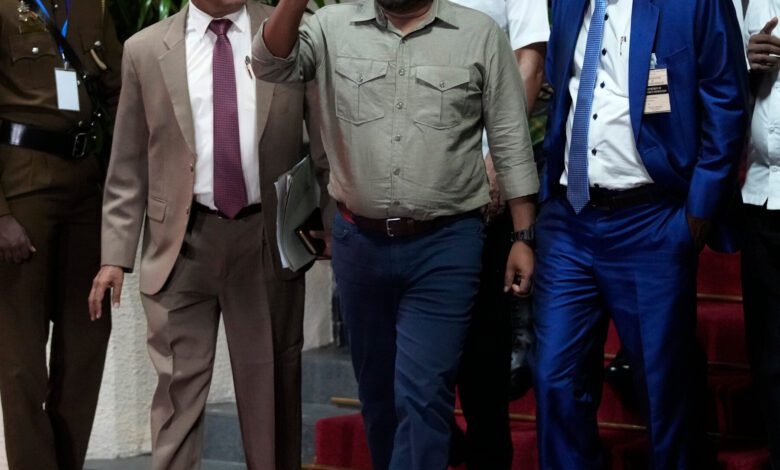
Anura Kumara Dissanayake won Sri Lanka’s September 2024 presidential election after campaigning against corruption and the political establishment blamed for the country’s economic collapse. The National People’s Power leader’s victory brought a leftist movement from the margins into the presidency during a fragile recovery.
The election followed the 2022 crisis
Sri Lanka defaulted on foreign debt, endured shortages and saw mass protests drive President Gotabaya Rajapaksa from office. Ranil Wickremesinghe later negotiated an International Monetary Fund program and stabilization measures.
Recovery in headline indicators had not erased household hardship or anger at established parties.
Dissanayake built an anti-elite coalition
His NPP combined the Janatha Vimukthi Peramuna with professionals and civic groups. He emphasized clean government, stronger public services and renegotiation of unfair economic arrangements.
The JVP’s violent historical uprisings remained part of public debate, even as the contemporary movement pursued elections.
The count used preferential voting
No candidate secured an outright majority on first preferences, leading to an unprecedented second count of later preferences. Dissanayake defeated opposition leader Sajith Premadasa after that process.
Explaining the method prevents conflicting vote totals from appearing to show official error.
Voters rejected the incumbent
Wickremesinghe argued that his policies restored stability but was associated with painful taxes and the old governing order. Dissanayake promised change while accepting that economic constraints could not disappear overnight.
An election mandate did not cancel debt agreements or market dependence.
IMF commitments presented an early test
The new president sought relief for struggling households and changes to parts of the program. Major deviations risked delaying finance and debt restructuring.
Transparent negotiation and credible revenue alternatives were necessary to combine social protection with solvency.
Anti-corruption promises required institutions
Investigations, asset recovery and procurement reform could address public anger, but political accusation alone was not due process. Independent courts, auditors and protected investigators were essential.
The governing movement also needed to disclose its own finances and appointments.
Parliamentary support was initially limited
The NPP held few seats in the existing legislature, constraining legislation. Dissanayake dissolved Parliament and sought a new mandate in November.
Presidential victory gave executive authority, not automatic agreement across every institution.
The result changed expectations
A politician long outside the traditional governing families became president through a peaceful election. That shift expanded representation and placed responsibility for delivery on a movement built around protest.
Success would be judged through living costs, debt stability, rights and corruption cases supported by evidence. The historic victory opened political space; it did not by itself repair Sri Lanka’s economy or institutions.
Minority communities also watched how the new administration addressed Tamil rights, wartime accountability and religious tensions. Economic justice could not be measured only in national averages if burdens fell unevenly. Dissanayake needed competent appointments, a free press and public consultation to show that rejection of the old elite produced stronger democratic practice rather than merely a new concentration of power under a popular anti-establishment label.
Those demanding tests would ultimately define whether the historic political jolt became credible, inclusive and durable reform.