How Rituals of Faith Became Another Casualty of War
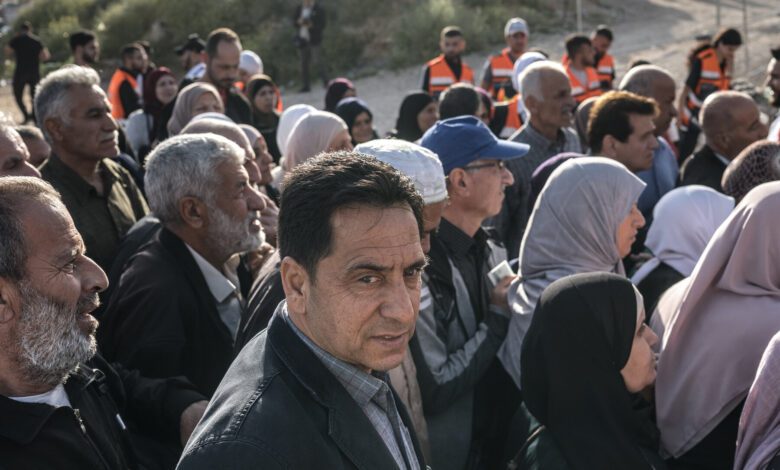
The war that followed the October 7, 2023 attacks reshaped religious life for Jews, Muslims and Christians across Israel and the occupied Palestinian territories. Violence, movement restrictions, bereavement and economic collapse altered access to holy places and the communal rituals that ordinarily structure Ramadan, Easter, Passover and other observances.
Access to Al-Aqsa was tightened
Israeli authorities imposed severe restrictions during Ramadan, citing security concerns. Many Palestinians from the occupied West Bank were unable to obtain permits to pray at Al-Aqsa Mosque in Jerusalem.
The compound, sacred to Muslims and Jews, has long been a flashpoint where small changes carry regional consequences.
Jewish prayer at the compound remained contested
Israel’s official arrangements have historically restricted non-Muslim prayer there, but right-wing politicians and activists increasingly entered and prayed. Palestinians regarded the practice as a threat to the status quo.
Religious freedom claims intersected with unequal control over access and policing.
Christian Holy Week traditions changed
Attendance at the Holy Fire ceremony in Jerusalem was limited, officially for safety reasons. Palestinian Christians said the restrictions weakened a centuries-old tradition and reflected broader pressure on their community.
In Bethlehem, an Easter procession normally held through city streets was moved inside the Church of the Nativity.
Tourism vanished from Bethlehem
Pilgrims and international visitors stayed away after the war began, emptying hotels, shops and restaurants. Because religious tourism supports a large share of local livelihoods, lost celebration also meant lost income.
Christian institutions faced both spiritual isolation and economic strain.
West Bank Muslims adapted family rituals
Communities preserved late-night prayer and family gatherings during Laylat al-Qadr even when money for traditional clothes and food was scarce. In Nablus, families visited cemeteries for Eid prayers and remembrance.
Maintaining ritual became a form of continuity amid raids, checkpoints and loss.
Israeli Jewish society was also divided
Hostage photographs and calls for a deal were prominent in many secular communities but less visible in some ultra-Orthodox neighbourhoods. Longstanding disputes over military service and state authority intensified during wartime.
No single community response represented all Israeli Jews.
A Passover practice led to clashes
Some ultra-Orthodox residents burned leavened bread outdoors rather than using designated containers before Passover. Police intervened because open flames increased wildfire risk during a period of cross-border strikes and dry conditions.
The episode showed how public safety rules can collide with established custom.
Gaza’s destruction formed the central reality
For Palestinians in Gaza, mass death, displacement, hunger and damaged mosques and churches made ordinary worship extraordinarily difficult. Communities prayed in shelters and ruins while mourning relatives.
Any regional account of disrupted ritual must not turn those conditions into mere atmosphere.
Faith persisted without normal celebration
People continued prayers, fasts, memorials and acts of mutual aid, but the emotional character changed. Empty streets and absent relatives made public holidays inseparable from fear and grief.
Responsible reporting should avoid treating three faiths as if they faced identical restrictions or losses. It can still show a shared principle: war reaches beyond battlefields into time, place, memory and communal practice. Protecting access to worship and religious sites, without discrimination and consistent with genuine safety needs, is part of protecting civilian life.