
Russia Ramps Up Air Assault on Ukrainian Cities
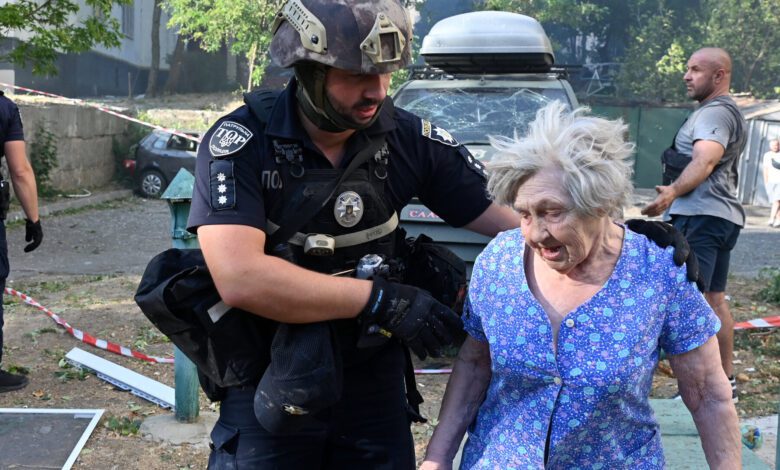
Russia expanded aerial attacks on Ukrainian cities in mid-September 2024, using guided bombs, one-way attack drones and missiles while ground forces pressed in the east. A strike on an apartment building in Kharkiv demonstrated how weapons aimed from beyond ordinary front-line defences continued to endanger civilians.
A guided bomb hit Kharkiv
Ukrainian officials said the strike ignited a fire in a multistorey residential building, killing at least one person and injuring more than 40. Rescue teams evacuated occupants and searched damaged floors.
Casualty totals remained subject to change as hospitals and responders updated records.
Glide bombs posed a difficult threat
Russia fitted conventional aerial bombs with wings and guidance systems, allowing aircraft to release them tens of kilometres from a target. Their large warheads can destroy buildings even when accuracy is imperfect.
Launch aircraft may remain outside the range of many Ukrainian air-defence systems.
Drones arrived in another overnight wave
Ukraine’s air force reported tracking 56 Shahed-type attack drones launched during the night of September 15–16 and claimed 53 were intercepted. Such figures are operational statements and may not be independently verifiable immediately.
Interception debris can also injure people or damage property below.
Air alerts disrupted cities far from the front
Attack drones can change direction and travel hundreds of kilometres, forcing warnings across multiple regions. Residents may spend hours in shelters while emergency crews and air defenders remain mobilized.
The cumulative burden includes lost sleep, interrupted schooling and mental-health stress.
The eastern ground offensive continued
Russian forces concentrated assaults around Pokrovsk and Kurakhove in Donetsk region. Control of roads and rail near Pokrovsk mattered for Ukrainian logistics, while nearby communities faced evacuation and sustained bombardment.
Neither side’s daily battlefield totals should be accepted without corroboration.
Ukraine sought permission for deeper strikes
President Volodymyr Zelenskyy again asked Western partners to remove limits on using supplied weapons against military targets inside Russia, particularly airfields supporting glide-bomb operations. Supporters argued that disabling launch capacity was legitimate defence.
Partners weighed escalation risk, legal conditions and their own weapons stocks.
Civilian protection remained a legal obligation
International humanitarian law requires distinction, proportionality and precautions in attack. A military objective near housing does not remove duties toward civilians.
Investigators need weapon remnants, geolocation and damage evidence before reaching legal conclusions about individual strikes.
Energy infrastructure faced renewed danger
Ukraine had already lost substantial generating capacity to Russian attacks, increasing concern before winter. Dispersed power, transformers, air defence and repair equipment could reduce outages but not eliminate vulnerability.
Households dependent on medical equipment or district heating required contingency support.
The air campaign was strategic and personal
Russia used mass attacks to strain limited interceptors, damage infrastructure and pressure cities, while Ukraine used long-range drones against Russian military and energy targets. Civilian harm on either side required accurate documentation.
For Kharkiv residents, strategic debate began with a burning apartment block. Responsible coverage should state which authority supplied each claim, avoid treating interceptions as harmless and keep the human consequences visible alongside analysis of weapons and front lines.
Verified corrections should follow rapidly when initial figures or target descriptions change.



