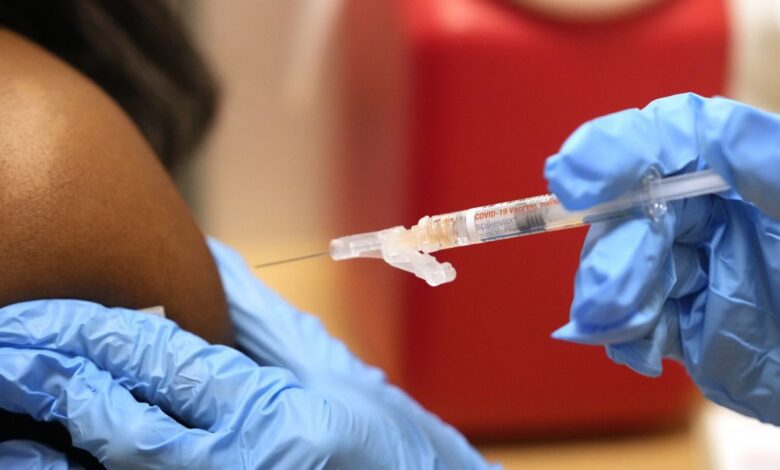
Health Canada authorized Moderna’s updated Spikevax COVID-19 vaccine on September 17, 2024. The mRNA formulation encoded a spike protein from the Omicron KP.2 strain and was intended for the 2024–25 respiratory-virus season, replacing an earlier strain composition.
What the vaccine update targeted
KP.2 was part of the JN.1 family of SARS-CoV-2 variants circulating in 2024. The original stub referred to KP.3 as the dominant variant, but the vaccine itself targeted KP.2. A related lineage can share important features without being identical, so the circulating-variant observation should not be substituted for the authorized product description.
Strain updates are made because the virus continues to evolve. The objective is to improve the immune system’s recognition of variants expected during a vaccination season. The match will never be perfectly fixed: circulation changes after manufacturers select, produce and distribute a formulation.
How an mRNA vaccine works
The vaccine delivers messenger RNA containing temporary instructions for cells to make a harmless spike antigen. The immune system responds to that antigen and builds recognition. The mRNA does not enter the cell nucleus and is broken down; it cannot alter a person’s DNA or cause COVID-19.
Health Canada’s authorization covered age-specific presentations for individuals six months and older. The amount and schedule were not the same for every age or vaccination history. Provincial and territorial programs decided how and when the product was offered, guided by recommendations from the National Advisory Committee on Immunization.
Benefits and possible reactions
COVID-19 vaccines are used primarily to reduce the risk of severe disease and complications. Infection can still occur after vaccination, and effectiveness can decline with time or a changing variant. Prior infection is also not a guarantee against reinfection or severe outcomes.
Temporary injection-site pain, fatigue, headache, muscle aches, chills and fever are among common reactions. Rare serious events require medical evaluation. A person with a previous severe allergic reaction, myocarditis, pericarditis or another relevant condition should use current professional guidance rather than a general news report to decide on vaccination.
Historical context
The KP.2 formulation was a season-specific product. Current Canadian guidance lists it among earlier mRNA formulations that are no longer authorized or available after later versions replaced it. That is normal context for an archived vaccine story, not evidence that the 2024 authorization was invalid.
Health Canada continued safety monitoring and required post-authorization information. Reports of events after vaccination are evaluated for patterns and do not automatically show causation. Readers can verify a product by name, strain, age presentation and current authorization status through the federal portal.
The accurate historical claim is that Moderna’s KP.2-targeting Spikevax received Canadian authorization on September 17, 2024. It should not be described as targeting KP.3, and the old announcement should not be used as present-day dosing advice.
The product name alone is not enough to identify a seasonal dose. A vial or pre-filled syringe has an age presentation, antigen composition, lot and expiry, all of which matter to the provider. Questions about spacing after an infection, pregnancy, immune suppression or another recent vaccine should be answered from current clinical recommendations. The 2024 decision supplies historical context, not individualized medical direction.