Israel’s Netanyahu Considers Firing Defense Minister Gallant in Government Shakeup
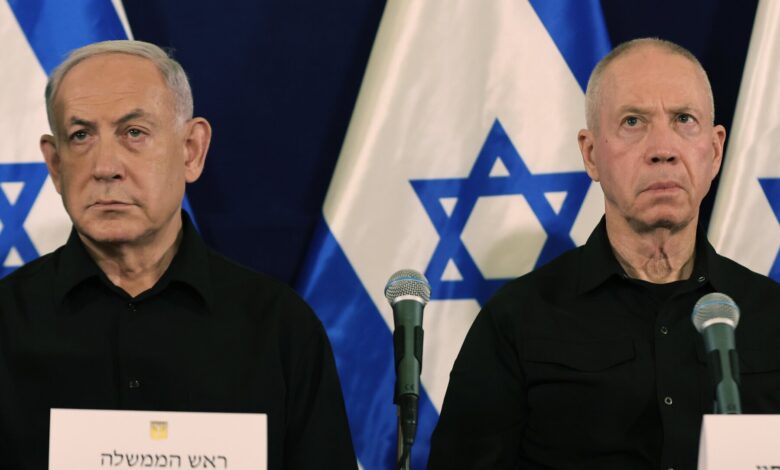
Reports in September 2024 said Israeli Prime Minister Benjamin Netanyahu was considering dismissing Defence Minister Yoav Gallant and bringing former rival Gideon Sa’ar into the government. The possible reshuffle emerged during war in Gaza, intensifying confrontation with Hezbollah and negotiations over Israeli hostages.
Netanyahu and Gallant had repeatedly clashed
Gallant publicly pressed for clearer postwar planning in Gaza and placed greater emphasis on reaching a hostage agreement. Netanyahu rejected terms he said would allow Hamas to recover and insisted on retaining control over strategic areas.
Differences over policy became intertwined with a long-running breakdown of trust.
A previous firing attempt had failed
In March 2023, Netanyahu announced Gallant’s dismissal after the defence minister warned that the government’s judicial overhaul endangered national security. Large protests followed, and Netanyahu reversed the decision.
That history made new reports plausible but did not confirm that a change had been finalized.
Sa’ar could strengthen the coalition
Gideon Sa’ar had led the New Hope party after breaking with Netanyahu’s Likud. Bringing his small faction into government could widen Netanyahu’s parliamentary base and reduce the leverage of far-right coalition partners.
Reports suggested he might replace Gallant, though both the prime minister’s office and Sa’ar initially denied an agreement.
Changing defence leadership during war carried risk
The minister oversees policy and civilian direction of the security establishment while military commanders conduct operations. A transition amid combat could disrupt relationships with commanders, the United States and other partners.
Governments still retain authority to replace ministers when policy trust has failed.
Hostage families feared political motives
Critics worried that removing Gallant would weaken voices supporting a negotiated return of hostages held in Gaza. Netanyahu’s allies argued that unity and consistent direction were essential to military victory.
Neither claim should be accepted without examining actual policy decisions and negotiating positions.
The immediate reshuffle did not occur as reported
Sa’ar joined the government later in September as a minister without replacing Gallant. The episode therefore demonstrated why prospective political reporting requires conditional language.
A negotiation can be real even when its anticipated arrangement changes or collapses.
Netanyahu ultimately dismissed Gallant
On November 5, 2024, the prime minister fired him and appointed Israel Katz as defence minister; Sa’ar became foreign minister. Netanyahu cited a crisis of trust, while protests and opposition criticism followed.
That later outcome should not be falsely presented as confirmation that every September detail had been correct.
Institutional accountability mattered more than personalities
Israel faced decisions affecting civilians in Gaza and Lebanon, its own displaced residents, soldiers and hostages. Cabinet stability could not replace legal obligations, strategic clarity or public scrutiny.
The September reports revealed genuine divisions at the top of a wartime government. A responsible account distinguished consideration from decision, political coalition arithmetic from military necessity and later events from what was known at the time.
Leadership changes can alter tone and access, but policy outcomes—protection of civilians, lawful conduct, hostage return and a sustainable end state—remain the meaningful measures of any reshuffle.
Public confidence also required decisions to be explained through accountable institutions rather than anonymous coalition bargaining during an emergency.