With Sandbags and Team Spirit, a Polish City Fought Off a Flood
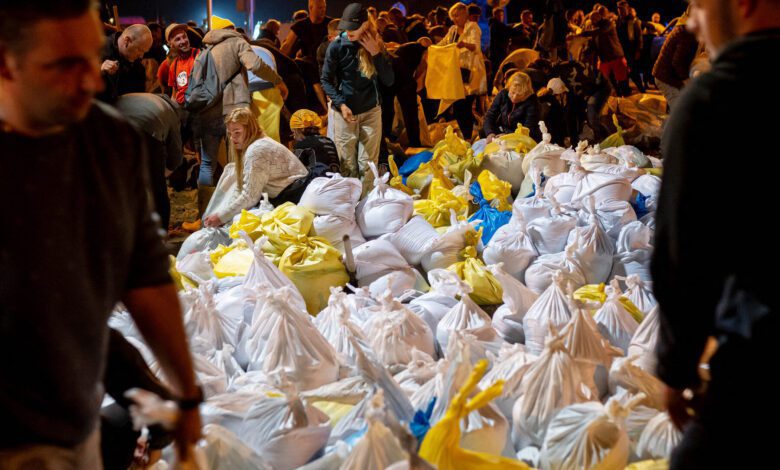
Residents of Nysa in southwestern Poland used sandbags, soil, machinery and mass volunteer labour to reinforce an embankment during the severe Central European floods of September 2024. Their effort helped prevent a breach that officials feared could inundate much of the city.
Exceptional rain overwhelmed the region
Storm Boris brought prolonged heavy rainfall across parts of Poland, the Czech Republic, Austria and neighbouring countries. Rivers rose rapidly, dams and embankments came under pressure, and towns in the Kłodzko and Nysa basins suffered destructive flooding.
Deaths, evacuations and infrastructure damage occurred across Central Europe.
Nysa faced more than one threat
Water releases and high river levels had already flooded parts of the area when officials warned of damage to an embankment. A failure could send a new surge into populated neighbourhoods.
Residents were urged to evacuate even as emergency crews attempted to stabilize the structure.
Volunteers mobilized quickly
Calls for help spread through local networks and social media. Residents, firefighters, soldiers, municipal workers and sports teams filled and passed sandbags, delivered materials and reinforced weak sections.
The human chain translated community energy into a coordinated physical barrier rather than unstructured crowds at a hazardous site.
Heavy equipment completed the defence
Sandbags can slow and direct water, but large breaches require earth, aggregate and machinery. Operators placed material while crews sealed leaks and monitored the embankment.
Officials later said the reduced outflow from the Nysa reservoir and successful repair had made the city safer.
The effort did not erase existing damage
Homes, businesses, roads and utilities in the wider district had already been affected, and other Polish communities remained in danger. A headline about a city “fighting off” the flood should not imply that every resident or surrounding settlement escaped loss.
Recovery continued after the immediate crest passed.
Volunteer safety required command
Fast water, unstable banks, contaminated floodwater and moving machinery can kill untrained helpers. Effective mobilization assigns safe tasks, provides protective equipment and keeps people away from structures at imminent risk of collapse.
Official information is essential when rumours about dam failure spread online.
Preparedness begins before rainfall
Maintained embankments, reservoir operating plans, mapped evacuation routes, alerts and pre-positioned supplies determine how much time a community has. Climate change is increasing the likelihood of extreme precipitation in a warmer atmosphere, while development in floodplains raises exposure.
Emergency heroism cannot substitute for investment in resilient infrastructure and land-use policy.
Nysa demonstrated social capacity
The city’s defence showed that trust, local knowledge and rapid communication can materially change an emergency outcome. It also revealed the dependence of formal services on citizens willing to work together under direction.
After-action review should document where the embankment failed, how alerts reached residents, which materials ran short and whether evacuations served older or disabled people. Repairs should reflect future rainfall rather than simply recreate yesterday’s protection.
Team spirit was rightly celebrated, but the durable lesson is institutional: communities need reliable warnings, trained coordinators and infrastructure strong enough that volunteers support a plan instead of becoming the final barrier between a river and their homes.