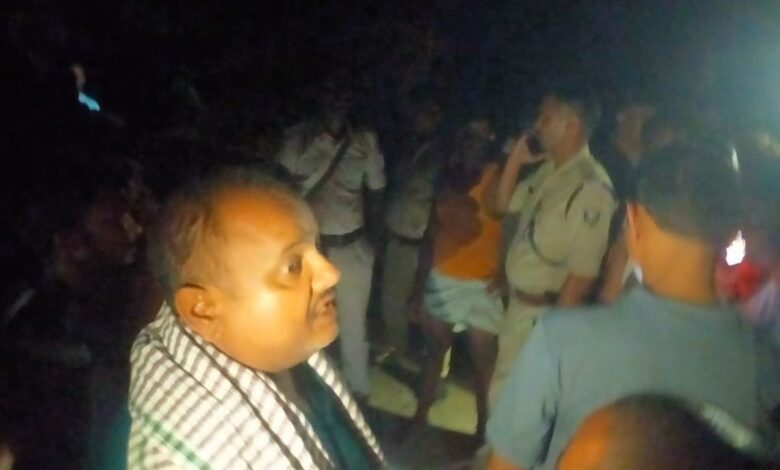
An overcrowded boat crossing a flooded field near Sonepur in Bihar’s Saran district contacted an overhead electrical wire on September 19, 2024. Two passengers suffered electric-shock injuries, panic contributed to the boat capsizing, and four people were initially reported missing as rescuers searched after dark.
The boat carried 16 people
Police said the vessel, including its operator, was travelling toward Jaitiya village on Thursday evening. Floodwater had turned normally dry land into a navigable route and brought passengers unusually close to power infrastructure.
The wire energized the boat when contact occurred.
The headline casualty wording required correction
Some early headlines described two people as “electrocuted,” a word often understood to mean killed. Contemporary reports instead said Kameshwar Rai and Bhushan Rai were injured or burned by electric current.
Accurate wording should say shocked or injured unless a death is confirmed.
Panic created a second emergency
Passengers shifted or jumped after the electrical contact and the boat overturned. Twelve people, including the operator and the two injured men, were reportedly rescued; four were unaccounted for in the first official account.
Bhushan Rai’s son Mukesh Kumar was named among the missing.
Darkness slowed the search
State Disaster Response Force personnel began looking for the missing passengers, but low visibility complicated work in floodwater. Search teams must manage current, submerged obstacles and possible electrical danger before entering an area.
Families need dated updates because initial missing counts can change.
Flooding can conceal electrical hazards
Water routes alter the distance between boats and lines. Sagging conductors, submerged equipment or improvised connections can energize water and metal surfaces, even when a wire appears intact.
Residents should assume fallen electrical infrastructure is live and keep well away.
Safe rescue begins by isolating power
A bystander should not touch an energized boat or person while contact continues. Electricity authorities and emergency services must disconnect the circuit; rescuers then use appropriate protective procedures.
Someone who has received a shock needs medical assessment because internal injury or abnormal heart rhythm may not be immediately visible.
Prevention requires local mapping
During floods, authorities can identify water crossings beneath transmission and distribution lines, mark exclusion zones and arrange alternate landing points. Boat operators need passenger limits, life jackets, lighting and information about newly created hazards.
Utilities should inspect clearance and rapidly de-energize unsafe segments where feasible.
Early reports should not become the final record
The initial account contained inconsistencies about whether three or four people were missing, while better-supported reports stated four. Such discrepancies are common during rescue operations and should be corrected transparently.
The verified early facts were that two people were injured, twelve were rescued and four were being sought after a 16-person boat contacted a wire and capsized. Later reports should state the search outcome and revised toll rather than preserve an alarming but outdated headline.
Local authorities should also record the wire’s height and condition to determine whether maintenance, flood levels or route choice created the fatal hazard.
Publishing the investigation’s findings could prevent similar crossings from remaining unmarked during the next monsoon.