The closure of several prominent Okanagan restaurants in 2024 illustrated how multiple financial pressures could overwhelm otherwise familiar businesses. Owners and regional industry representatives pointed to higher food, insurance and labour costs, changing tourism patterns and customers with less discretionary income. No single explanation, however, applied equally to every restaurant.
Long-running and high-profile closures
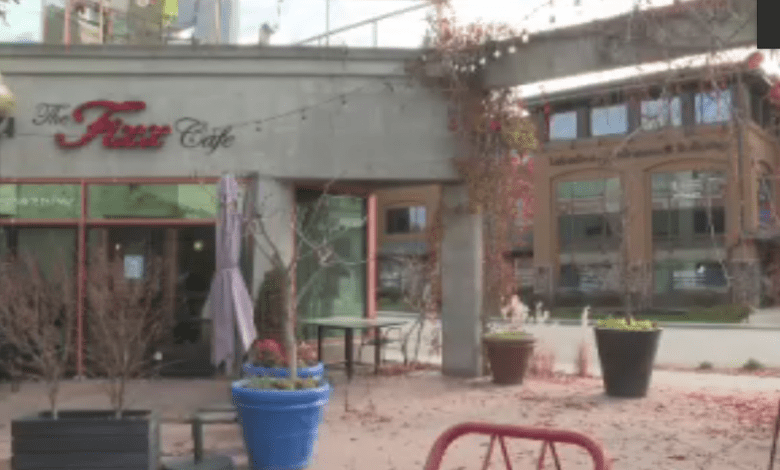
Fixx Cafe in Kelowna closed after more than two decades in business. Owner Wade Siever said ingredient costs, insurance and wages had risen while tourism at his establishment had fallen by roughly 15 per cent. That figure described his experience, not an official estimate for the entire Okanagan visitor economy.
Other closures cited in the regional report included Krafty Kitchen + Bar and RauDZ Regional Table. The loss of several recognizable names in a short period made the trend visible, but a list of closures alone cannot establish the financial condition of every restaurant in the region. New openings, ownership changes and seasonal pauses also matter in a complete count.
The cost structure behind a menu price
A restaurant must pay for ingredients, staff, rent, utilities, insurance, equipment, payment processing and compliance before recording profit. When several inputs rise together, increasing menu prices may be the only immediate response. Customers facing higher housing and grocery bills may then eat out less often, limiting how much of the increase a business can pass on.
Labour is especially complex. Restaurants need enough revenue to retain skilled employees, while workers need wages that reflect local living costs. Describing payroll only as a burden misses the role employees play in service and food safety; ignoring the business’s narrow margin misses why scheduling and hiring become difficult.
Tourism and accommodation changes
Ian Tostenson of the BC Restaurant and Foodservices Association cited food prices, interest rates, labour shortages and weaker tourism among the pressures facing the industry. Thompson Okanagan Tourism Association chief executive Ellen Walker-Matthews also pointed to the economy and changes affecting short-term rentals.
Some visitors preferred accommodation booked through platforms such as Airbnb or Vrbo and may have changed plans when that inventory became less available. It would be too strong to attribute every missing diner to provincial short-term-rental rules. Wildfire perceptions, travel costs, exchange rates, weather and household budgets can all influence a tourism season.
What useful support would measure
Governments and industry groups need current data rather than anecdotes alone: restaurant openings and closures, insolvencies, visitor nights, average bills, staffing vacancies and the share of revenue consumed by rent and food. Those measures can distinguish a temporary slowdown from a structural contraction.
Possible responses include simpler permitting, predictable patio rules, workforce training, transportation that connects visitors with commercial areas and tourism marketing based on current conditions. Broad tax or fee relief should identify who receives it and whether the public benefit justifies the lost revenue.
What customers should understand
A busy dining room does not necessarily mean a healthy balance sheet. Restaurants can generate substantial sales while keeping only a thin margin after expenses. Conversely, a closure is not proof that all neighbouring businesses are failing or that one policy caused the result.
The Okanagan closures were important because they involved establishments with established followings as well as newer operations. They showed a hospitality sector adjusting simultaneously to cost inflation and changing demand. The responsible conclusion is therefore narrower than a declaration of industry collapse: several operators said the prevailing mix of costs and reduced traffic had become unsustainable for them.
Future reporting should test whether conditions improve through business records and regional tourism data. Remembering what each owner actually said preserves the warning without turning a difficult year into a claim the available evidence cannot support.