
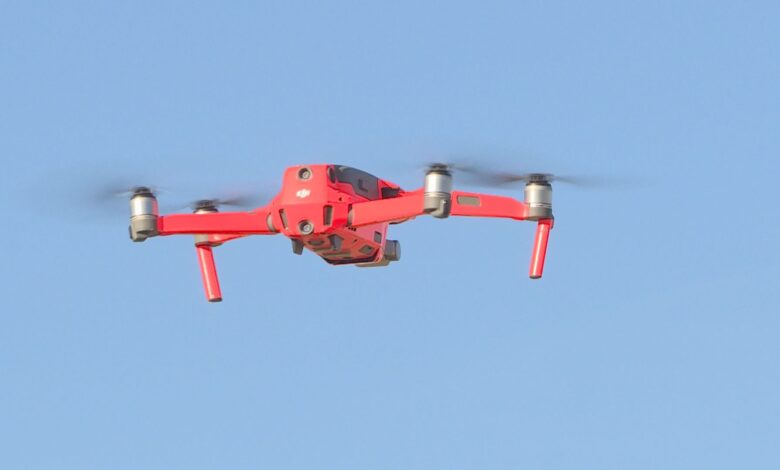
A Manitoba-based drone-training programme was helping Canadian veterans translate military experience into civilian qualifications and possible new careers in 2024. Veterans Elite drone Training Services, known as VEdTS, combined technical instruction with a classroom populated by people who understood the culture and pressures of military service.
A programme built by a military family
Michel Latouche, a Royal Canadian Air Force veteran with 38 years of service, started VEdTS with his wife Gail in March 2023. By November 2024, the organisation said it had trained more than 200 veterans. The programme was designed not merely to teach a hobby but to help students obtain the knowledge needed to operate remotely piloted aircraft safely and lawfully.
That distinction matters. Professional drone work requires more than being able to keep an aircraft in the air. Pilots need to understand airspace, weather, equipment limits, emergency procedures, privacy, site surveys and the Canadian rules applying to a proposed operation.
From student to instructor
Nick Lisney retired from the Canadian Armed Forces in 2022 after 32 years and 125 days of service. He trained through the programme and became an instructor. His progression offered a concrete example of how an existing ability to follow procedures, assess risk and teach others could be carried into a civilian setting.
Bill McLean, who served for 31 years in military intelligence, also completed the course and was considering an instructional role. Their paths were not presented as a guarantee for every graduate. They showed that a credential can create options when paired with demand, business skills and continuing practice.
Where drone skills can be used
Small remotely piloted aircraft can support real-estate photography, agricultural inspection, mapping, roof assessment and inspection of assets such as wind turbines. Each field has its own standards. A visually attractive flight for a property listing is different from collecting measurements for engineering or agricultural decisions.
The programme reported that about a dozen graduates had started businesses. That is an encouraging outcome, but it should be interpreted in context: launching a business is not the same as sustaining a full-time income. A complete evaluation would follow graduates over time and record employment, revenue, safety and certification outcomes.
Why the veteran setting may help
Leaving the military can mean losing a familiar structure, professional identity and close peer network. A cohort of veterans may reduce the need to explain that background and can rebuild some sense of shared purpose. The founders said the programme was accessible to wheelchair users and sought to reach women and Indigenous veterans as well.
Training and camaraderie can support well-being, but they are not medical treatment for post-traumatic stress disorder or other health conditions. Participants who need clinical care should be able to access qualified services without a career programme being asked to replace them.
Funding and responsible transition
Veterans Affairs Canada programmes may help eligible former members pay for education or training. Eligibility, permitted expenses and application requirements can change, so prospective students should verify them directly before enrolling. They should also confirm what certification a course prepares them for and whether equipment, examination or insurance costs are included.
The VEdTS model addressed a genuine transition problem by connecting instruction to recognizable civilian uses. Its strongest claims were the verifiable ones: more than 200 people trained, individual graduates moving into instruction and several starting businesses. Longer-term evidence would show how many found durable work.
For veterans considering the field, the practical question is not whether drones are fashionable. It is whether accredited skills, careful flight planning and a realistic market can turn disciplined service experience into safe civilian work. The Manitoba programme offered one structured route toward that goal.



