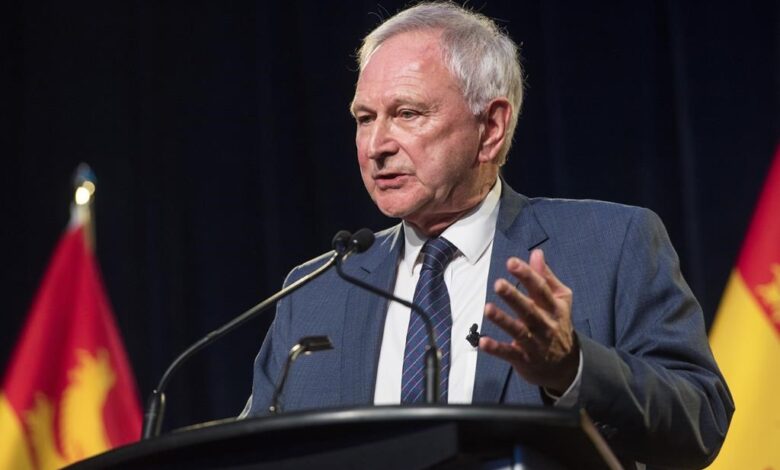
New Brunswick’s legislature was dissolved on September 19, 2024, starting a 32-day provincial election campaign. Progressive Conservative Premier Blaine Higgs sought a third term against Liberal Leader Susan Holt, Green Leader David Coon and candidates from the NDP, People’s Alliance and other parties.
Voting day was fixed for October 21
Writs were issued in all 49 electoral districts, with advance and special-ballot options administered by Elections New Brunswick. Voters chose local members; the party able to command confidence in the legislature would form government.
A leader’s province-wide vote did not directly determine every seat.
Health care led public concern
Residents reported difficulty finding primary-care providers and long waits in emergency departments. Parties proposed different approaches to clinics, staffing and system management.
Promises needed cost, workforce and implementation details because clinicians cannot be added instantly.
Affordability shaped the campaign
Housing costs, rent, taxes, energy bills and food prices put pressure on households. The governing PCs emphasized fiscal management and targeted relief, while opposition parties argued public services and housing supply required stronger action.
Federal policies influenced some prices, but the province retained important tools.
Policy 713 remained divisive
The Higgs government had changed school rules concerning the use of names and pronouns for students under 16, requiring parental consent in specified circumstances. Supporters framed the change as parental involvement; critics warned it could endanger transgender and non-binary youth.
The dispute also caused fractures within the PC caucus.
Language and regional representation mattered
New Brunswick is Canada’s only officially bilingual province. Access to French and English services, Acadian representation and rural needs remained significant across constituencies.
Parties had to build support across distinct linguistic and geographic communities.
Polling suggested a competitive opening
Pre-campaign surveys placed Higgs and Holt close on preferred-premier measures. Polls offered context but could not reliably resolve many local races or turnout.
Transparent coverage separated leader ratings, party intention and seat projections.
The campaign produced a decisive result
On October 21, the Liberals won 31 seats and formed a majority government. The Progressive Conservatives took 16 and the Greens two; Higgs lost his own riding of Quispamsis and later resigned as party leader.
Holt became New Brunswick’s first woman premier.
The result should be an update, not hindsight
At the campaign’s start, a Higgs victory remained possible and contemporary reporting was right to describe competition rather than certainty. Later election results complete the record without pretending they were known in advance.
The writ marked a choice among records, teams and detailed proposals. Voters ultimately rejected a third Higgs term and gave Holt a clear mandate, but accountability then shifted from campaign promises to whether the new government could improve health access, affordability and public trust.
Official district results, not projections or social-media maps, provide the final authority for turnout and seat totals. They also show how votes translated unevenly into representation under the first-past-the-post system.
Post-election scrutiny should compare each party’s platform commitments with budgets, legislation and service outcomes. A majority gives the government governing stability, but it does not remove legislative debate, independent oversight or the obligation to explain departures from its campaign promises.