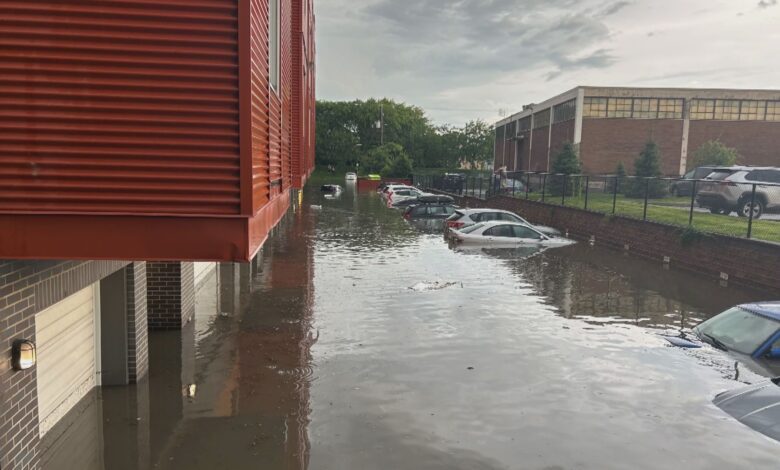
After severe 2024 downpours flooded homes across Montreal, some borough leaders proposed restricting new basement apartments in places where water predictably collects. The debate was not a simple choice between banning every below-grade dwelling and accepting avoidable danger; it concerned location-specific risk, housing supply and enforceable building standards.
Lachine’s mayor proposed targeted limits
Lachine Mayor Maja Vodanovic argued that new basement units should be prohibited in flood-prone low points. Her position focused on problematic zones where municipal data and recent damage showed recurring exposure.
She did not call for instantly evicting every existing basement tenant in Montreal.
Extreme rain overwhelmed drainage
Storms in July and August delivered intense rainfall over short periods. Sewers, foundation drains and surface routes could not move water quickly enough, causing backups and infiltration far from mapped river floodplains.
Climate change increases the likelihood of heavier precipitation, while paving reduces absorption.
Basement residents face distinct hazards
Water can enter quickly through drains, windows and doors. Below-grade rooms may have limited exits, and electricity, contaminated sewage or fire can make escape more difficult.
Bedrooms require safe egress; a low rent does not justify a preventable life-safety risk.
A blanket ban would carry costs
Basement units form part of Montreal’s relatively affordable rental stock. Prohibiting them everywhere could displace tenants, reduce supply and push people into informal housing without inspections.
Risk differs substantially by topography, drainage, construction and protective measures.
Zoning can follow evidence
Boroughs can map low points, sewer-backup history and overland flow routes, then restrict new sleeping space where safe protection is not feasible. Maps need regular updates as infrastructure and rainfall patterns change.
Owners should receive clear criteria before investing in conversions.
Construction standards can reduce, not eliminate, risk
Backwater valves, sump pumps with backup power, grading, raised openings, waterproof materials and separated stormwater systems can limit damage. These measures require maintenance and may fail during exceptional events.
No device should be marketed as a guarantee against flooding.
Existing tenants need a transition plan
Inspections should prioritize dangerous exits, electrical systems, mould and repeated inundation. Where a dwelling cannot be made safe, governments must coordinate notice, relocation assistance and tenant protections rather than abruptly remove residents.
Insurance availability and disclosure of known flood history also matter.
Infrastructure remains a public responsibility
Property-level measures cannot replace sewer upgrades, retention basins, permeable surfaces and emergency warnings. Municipalities should publish project priorities and explain the level of storm each system is designed to handle.
The best policy is risk-based: stop creating new basement homes in demonstrably dangerous locations, enforce strong egress and flood-resilience rules elsewhere, improve drainage, and protect current tenants during remediation. The 2024 floods justified action, but safety and housing affordability must be solved together rather than trading one crisis for another.
Public maps and inspection results should be available to tenants before they sign a lease, with privacy safeguards for occupied homes. That information would turn general warnings into practical decisions and reveal whether repeated losses decline after new standards take effect.
Emergency plans should also account for residents with disabilities who may need assistance evacuating a below-grade unit.