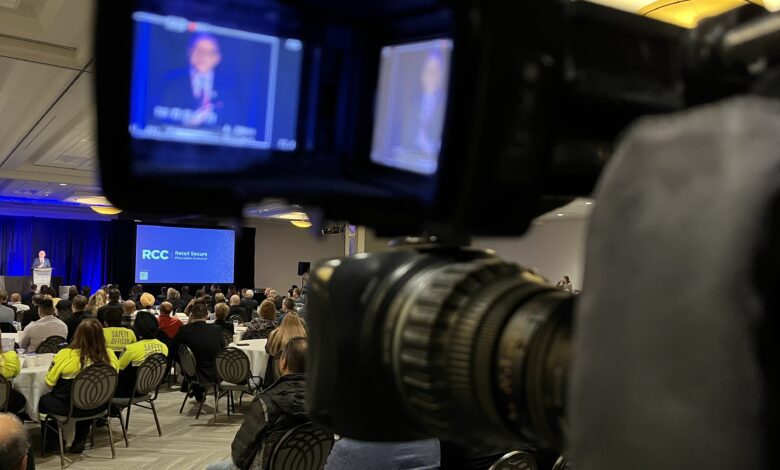
More than 400 retailers, police representatives, justice officials, elected leaders and community organizations met in Winnipeg on October 4, 2024, for the first Retail Secure Manitoba Summit. Participants agreed that theft and violence required immediate protection as well as sustained work on poverty, addiction and mental health.
The gathering brought separate systems together
The Retail Council of Canada organized the event at the RBC Convention Centre. Provincial and municipal leaders joined business owners, prosecutors, private security, unions and community-wellness groups.
John Graham of the Retail Council said organizations were already doing useful work individually, but a province-wide response needed those pieces to operate together. The summit aimed to move from describing the problem toward shared action.
Businesses wanted safety and consequences
Retailer Tom De Nardi argued that repeated theft and threatening incidents damaged staff confidence and the viability of stores. He said compassion for someone in crisis should not mean that harmful conduct produces no consequence.
Workers and customers have a right to be safe. A sound response distinguishes shoplifting from robbery or assault, trains employees not to make dangerous confrontations and directs police attention to violence and organized resale networks.
Justice leaders warned against one explanation
Former Manitoba provincial court chief judge Raymond Wyant told attendees that mental illness, methamphetamine and other addictions were intertwined with some offending. He also said incarceration can be necessary to protect the public while warning that society cannot arrest its way out of the crisis.
Not every person who steals is hungry or unwell, and not everyone experiencing poverty, addiction or mental illness commits crime. Conflating those groups creates stigma and can produce policies that miss organized or profit-driven theft.
A police initiative showed short-term results
Manitoba had funded additional Winnipeg police overtime for a retail-theft and violent-crime initiative launched in June. Businesses reported benefits, but the temporary model was expensive and nearing its planned end.
Premier Wab Kinew said the province would assess an extension as 12 provincially funded officers prepared to begin duties. Any continuation required transparent measures such as response time, violence prevented, charges resolved and displacement of crime to other areas.
Long-term prevention remained central
Kinew pointed to mental-health care, addiction treatment, housing and school nutrition as part of a safer-community strategy. Winnipeg Mayor Scott Gillingham also highlighted partnerships that combine outreach and visible safety support.
Prevention is slower to measure than an arrest total, but untreated illness, homelessness and hunger can repeatedly return people to emergency rooms, courts and stores. Stable services can reduce that cycle without excusing individual violence.
Security powers need safeguards
The province was considering whether legislation should give private security guards additional tools. Any expansion would need clear limits, training, independent complaints and rules governing detention, force, searches and evidence.
Private personnel do not have the same mandate or oversight as police. Greater authority without accountability could expose workers, marginalized residents and businesses to avoidable harm and liability.
Better data would sharpen the response
Police reports, retailer loss estimates, worker injury data and prosecution outcomes measure different things. A rise in recorded shoplifting can reflect more offending, better reporting, changed enforcement or several factors at once.
Policy should therefore publish definitions and trends while protecting personal and commercial information. Anecdotes identify real concerns, but they cannot determine province-wide scale by themselves.
The summit produced a balanced mandate
Participants did not settle every disagreement about bail, sentencing, policing or social spending. They did establish that no single institution could make retail spaces safer alone.
The practical test was what followed: protection for front-line workers, proportionate enforcement, intervention against repeat violence and organized theft, and accessible pathways out of addiction and poverty. Manitoba’s summit was valuable only if those commitments became coordinated, measurable action.