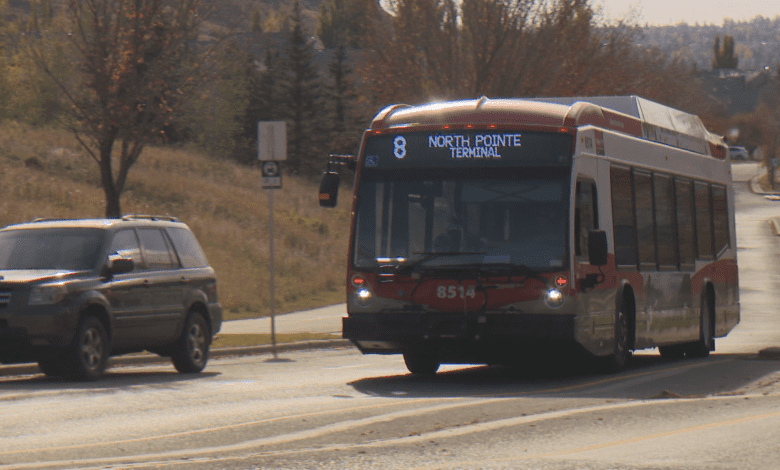
Residents of Panorama Hills objected in October 2024 after Calgary Transit changed the winter detour for Route 8 so buses would bypass much of the northwest community during difficult snow conditions. Transit said the longer diversion was intended to prevent vehicles from becoming stuck and disrupting service across the route.
A route serving major destinations
Route 8 connected North Pointe Terminal with Foothills Medical Centre and served students travelling to the University of Calgary and several high schools. On ordinary days it continued through Panorama Hills and neighbouring areas.
When a declared snow detour was active, the new alignment moved the bus farther from some homes. Resident Mohamed Aly said students could face a walk of roughly 30 minutes in the same weather that made the road unsafe for buses.
Why Transit changed the detour
Calgary Transit said snow routes are triggered when accumulation creates a challenge for buses. Forty-five routes across the network had planned detours.
Officials told Aly that 29 buses had become stuck in Panorama Hills during the previous two winters and another 21 in Hanson Ranch. A disabled bus can block a road, require a tow and leave passengers elsewhere on the line without service.
Reliability versus proximity
Bypassing a steep or difficult street can keep the larger route moving. For the people who live on that street, however, a technically operating bus may no longer be meaningfully accessible.
The burden is greatest for riders who cannot walk far through snow, including people with disabilities, older adults and students. A decision based only on total riders can overlook the severity of harm to a smaller group.
The councillor’s response
Ward 3 councillor Jasmine Mian said she was discussing the issue with city administration. She noted that repeated stuck buses can cause failures elsewhere in the system, while acknowledging residents’ concern about losing nearby stops.
Aly asked Transit to reconsider the route rather than abandon the community on snow days. The disagreement was about how to maintain service safely, not whether winter conditions were real.
Advance alerts are necessary
Transit said riders would receive notice when a snow detour took effect and should check service updates. Alerts should reach the website, app, stop signage, text or email subscriptions and customer-service lines at the same time.
Information does not solve a 30-minute walk, but late or inconsistent information makes the impact worse. Detour maps should identify accessible replacement stops and estimated walking distance.
Alternatives to a full bypass
The city could examine targeted snow clearing, sanding, temporary parking restrictions, smaller shuttle vehicles or a safe transfer point closer to the community. Each option has cost, fleet and staffing implications.
A route test with operators after a representative snowfall could identify the exact hills, turns and curb conditions causing failures. Historical stuck-bus data should guide a precise intervention rather than a wider diversion than necessary.
Accessibility requires individual planning
Calgary’s accessible transit service may help some registered riders, but it cannot be assumed to replace a fixed route for everyone. Capacity, booking rules and severe weather affect specialized service too.
Transit should contact schools, disability groups and affected residents before finalizing recurring winter plans. Riders can identify unsafe crossings and unmaintained paths that vehicle data will not reveal.
How to evaluate the change
After winter, Calgary could compare stuck buses, cancelled trips, travel time, complaints, missed school or medical connections and use of the bypassed stops. Publishing the results would show whether the detour produced a net improvement.
A reliable network cannot promise every street in every storm. It can explain risk, minimize the distance people are displaced and revise a plan when evidence shows that operational efficiency has created an unacceptable access barrier.