Harrods Will Be Sued by Mohamed al-Fayed’s Alleged Victims, Lawyers Say
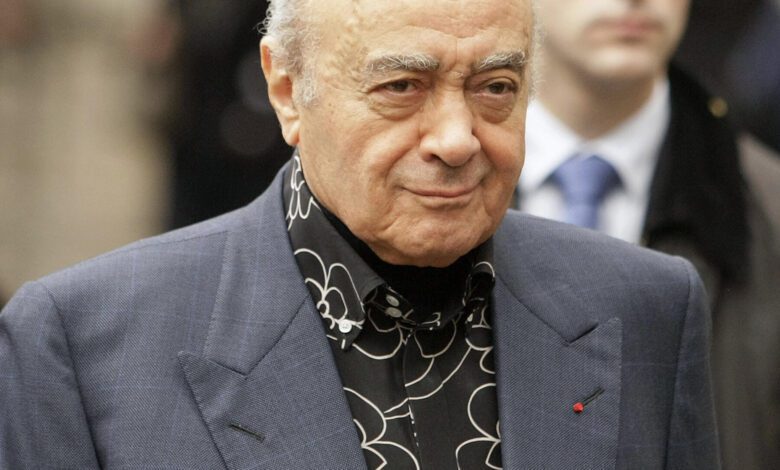
Lawyers representing 37 women announced in September 2024 that they were preparing claims against Harrods over alleged rape and sexual assault by the luxury store’s former owner, Mohamed Al Fayed. They also alleged that a corporate system enabled abuse and silenced employees during his tenure.
A BBC investigation prompted the announcement
More than 20 former employees spoke to the documentary Al-Fayed: Predator at Harrods. Five women alleged rape, while others described sexual assault, harassment, threats and physical violence at properties in Britain and France.
The accounts were allegations, but their number and recurring details demanded serious investigation.
Al Fayed could not answer the claims
The Egyptian-born businessman owned Harrods from 1985 until 2010 and died in 2023 at age 94. His death prevents criminal prosecution of him and means civil proceedings cannot test his personal evidence in the usual way.
That limitation does not bar scrutiny of institutions, records or living alleged enablers.
The legal team targeted corporate responsibility
Lawyers said Harrods provided access, surveillance, medical examinations and employment power that Al Fayed allegedly exploited. They argued managers and systems failed to protect young staff and helped suppress complaints.
Liability would depend on evidence, applicable time limits and what the company knew or should have known.
Harrods acknowledged institutional failure
The current owners said they were appalled and described the business operating under Al Fayed as different from today’s Harrods. The company apologized for failing employees and established a settlement process.
An apology and compensation scheme can help survivors, but they do not replace independent examination of records and responsibility.
More people came forward
The legal group received a large influx of inquiries after the broadcast, and police later recorded additional allegations. A rising count should be reported by date because an inquiry is not the same as a verified complaint or retained client.
Survivors may choose civil action, settlement, police reporting or privacy.
Non-disclosure agreements drew scrutiny
Former employees and lawyers questioned whether confidentiality clauses had discouraged disclosure. Agreements generally cannot lawfully prevent reporting crime or obtaining legal and medical help, though people may not know those limits.
Harrods was urged to identify and release relevant restrictions clearly.
Trauma-informed reporting is essential
News coverage should avoid gratuitous detail, identify people only with consent and provide support information. It should not imply that delayed reporting makes an account unreliable; power, fear, employment and prior institutional failures can deter disclosure for years.
At the same time, legal allegations must be attributed accurately.
The case extended beyond one deceased man
The central public question was how a prestigious employer handled warnings over decades. Harrods needed to preserve documents, commission genuinely independent review, compensate eligible survivors fairly and explain reforms.
The announced lawsuit was not a judgment against the present company. It was a route through which alleged victims sought evidence and accountability for both individual abuse and the institutional conditions they said allowed it to continue.
Any settlement process should give claimants independent advice, clear eligibility rules and a choice about confidentiality.