
Lebanese Talk of Revenge for Pager Attacks
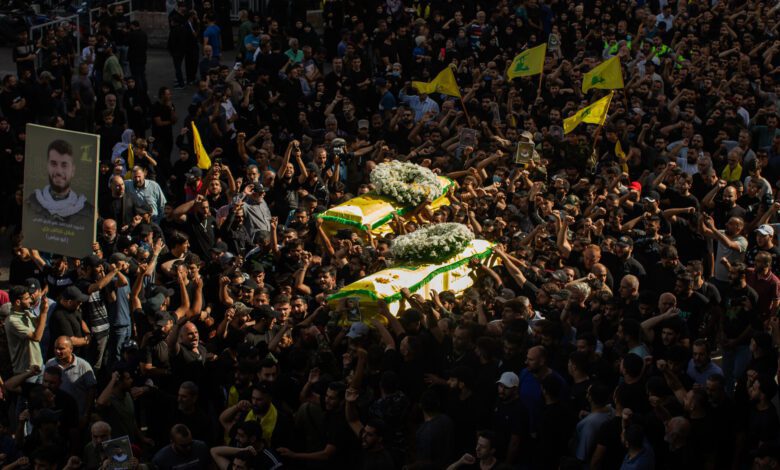
Lebanon was gripped by fear and anger after thousands of pagers and hundreds of radios associated with Hezbollah exploded on September 17 and 18, 2024. Hezbollah blamed Israel and promised retaliation, while civilians worried that the attacks signalled a much wider war.
The explosions occurred in two waves
The first wave involved AR-924 pagers carried by Hezbollah members and personnel connected with its institutions. The next day, handheld radios exploded at homes, funerals and other locations across Lebanon.
Devices detonated in public places, making proximity rather than formal membership a source of danger.
The casualty toll was severe
By September 22, Lebanese figures placed deaths from the two waves at 42, with thousands injured. Victims included Hezbollah members and civilians, including children and health workers.
Many patients suffered hand, eye and abdominal injuries because pagers were held or worn close to the body.
Evidence pointed to supply-chain sabotage
Subsequent reporting indicated that small explosive charges had been inserted into devices before distribution and triggered through coded signals. That explanation fit the sudden coordinated blasts better than early claims that batteries had simply overheated.
Complex intermediaries and brand licensing initially obscured who manufactured or modified the units.
Israel did not immediately claim responsibility
Lebanese officials and Hezbollah accused Israel, and US officials later said Israel was responsible or had briefed Washington after the operation. Israel maintained public ambiguity during the first reports.
Attribution should reflect the evidence and timing rather than retroactively presenting every early claim as confirmed.
The attacks created a legal controversy
Hezbollah fighters are lawful military targets during armed conflict, but an attacker must distinguish targets and assess civilian harm. Explosive devices distributed across homes, shops and streets raised questions about knowing who possessed each device when it detonated.
Rights experts disputed whether those precautions could have been adequate.
Revenge language increased escalation risk
Hezbollah leader Hassan Nasrallah called the operation a major blow and vowed punishment. Israel and Hezbollah then intensified cross-border fire, while Israeli leaders said returning displaced northern residents was a war objective.
Retaliation could not restore victims and risked exposing more Lebanese and Israelis to attack.
The psychological effect extended beyond casualties
People became afraid of phones, appliances and nearby strangers carrying electronics. Lebanon’s aviation authority temporarily prohibited pagers and radios on flights, while hospitals managed mass injuries during an existing economic and health crisis.
The method deliberately turned an ordinary communication tool into a source of uncertainty.
The following days confirmed the danger
Israel struck senior Hezbollah commanders in Beirut on September 20 and soon expanded operations across Lebanon. The device attacks became one step in a rapidly widening conflict rather than an isolated intelligence success.
Reporting Lebanese anger is important, but framing revenge as inevitable strips leaders of responsibility. The verified facts—mass device sabotage, military targets, civilian victims and escalating exchanges—made de-escalation and an independent legal accounting more urgent, not less.
Casualty updates should distinguish the two device waves and avoid presenting every person carrying a compromised unit as a confirmed combatant.



