
Elon Musk’s X Backs Down in Brazil
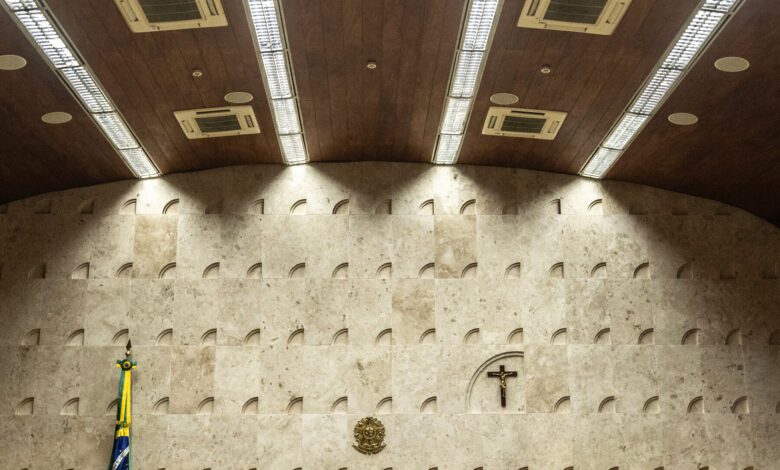
Elon Musk’s social platform X began complying with Brazilian Supreme Court orders in September 2024 after weeks of defiance led to a nationwide suspension. The company appointed a local legal representative and moved to block specified accounts, reversing its earlier insistence that the orders amounted to unlawful censorship.
The dispute centred on judicial investigations
Justice Alexandre de Moraes ordered restrictions on accounts investigated for alleged disinformation, threats and efforts to undermine democratic institutions. The inquiries grew in importance after supporters of former president Jair Bolsonaro challenged the 2022 election and attacked government buildings in Brasília.
Account restrictions were court measures, not a general finding that every disputed post was false.
X closed its Brazilian office
The company said it removed local staff because Moraes threatened its representative with arrest. Brazilian law nevertheless required the platform to maintain a legal representative able to receive and answer court orders.
When X missed a deadline to appoint one, Moraes suspended the service on August 30.
The full court upheld the suspension
A five-judge panel supported the order in early September. Musk attacked Moraes publicly and framed the conflict as a defence of free speech, while the judge said a foreign company could not choose which lawful orders to obey.
The case exposed a genuine debate about judicial power alongside a straightforward compliance obligation.
A network change briefly restored access
Some Brazilian users reached X again on September 18 after technical routing changes. X called the restoration inadvertent and temporary, while the court imposed additional penalties for breaching the suspension.
Technical circumvention did not resolve the underlying legal case.
The company then changed course
X identified a Brazilian representative, supplied further documentation and said it had disabled accounts named by the court. It also arranged payment of fines accumulated during non-compliance.
These actions demonstrated that the service could meet the conditions it had previously resisted.
Fines became the last practical hurdle
Brazilian proceedings identified penalties totalling about 28.6 million reais across X and its representative, including amounts for account-blocking failures and temporary access during the ban. A payment initially went through procedural complications before the court confirmed compliance.
Currency conversions varied with exchange rates and reporting dates.
Access returned in October
On October 8, Moraes authorized X to resume operations after the company fulfilled the orders. The platform returned to one of its largest markets and said it would continue defending free expression within legal boundaries.
Restoration ended the suspension, not the wider argument over online speech and judicial oversight.
Rule-of-law and rights concerns can coexist
Platforms should receive clear orders, reasons and meaningful avenues to challenge overbroad restrictions. They also cannot claim a unique exemption from local laws while operating a commercial service and collecting user data in a country.
X’s reversal showed the cost of replacing legal appeal with public confrontation. Brazil enforced compliance, while continuing scrutiny remained necessary to ensure that anti-disinformation powers did not become unaccountable censorship. Both corporate power and state power require limits.
Transparent publication of future orders and compliance reports would make those limits easier to evaluate.



