Macron Appoints Cabinet as He Seeks to Move France Out of Political Impasse
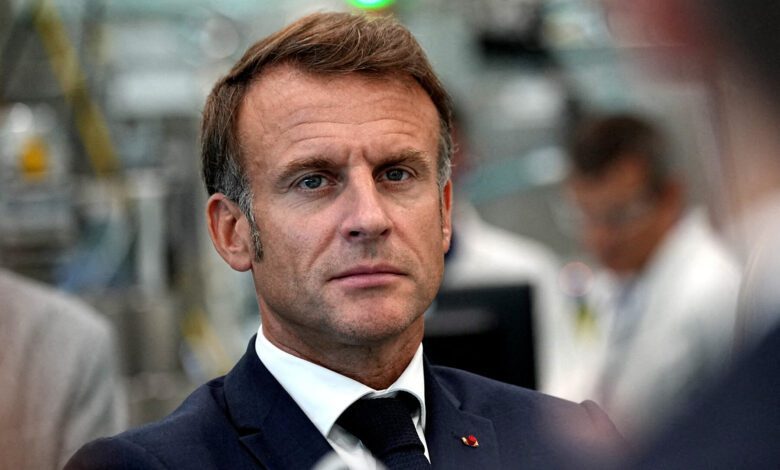
President Emmanuel Macron announced a 39-member French government led by Prime Minister Michel Barnier on September 21, 2024, more than two months after a snap election produced a divided National Assembly. The cabinet combined Macron’s centrists with conservative Republicans and moved policy influence to the right.
The election produced no governing majority
The left-wing New Popular Front won the largest bloc of seats, Macron’s alliance placed second and Marine Le Pen’s National Rally and allies formed another large bloc. None approached the 289 seats needed for an absolute majority.
Seat plurality gave the left a political claim to govern but not a constitutional entitlement to its chosen prime minister.
Macron selected a conservative premier
Barnier was a former foreign minister, European commissioner and Brexit negotiator from the Republicans, a party with relatively few deputies. Macron appointed him on September 5 after prolonged consultations.
The choice sought a government that the National Rally would initially tolerate even without formally joining it.
Key ministries reflected continuity and change
Sébastien Lecornu remained defence minister, while Jean-Noël Barrot became foreign minister, Antoine Armand took the finance portfolio and conservative Bruno Retailleau became interior minister. The cabinet included Macron allies and Republicans but few figures from the electoral left.
Critics said its composition failed to reflect the ballot’s strongest coalition.
Immigration policy became an early fault line
Retailleau had advocated tougher controls, while Macron’s centrists differed over how far to move toward National Rally positions. Barnier also faced pressure to reduce France’s deficit without provoking a parliamentary revolt.
Every major policy required either negotiated support or the risk of censure.
The National Rally held unusual leverage
Le Pen’s deputies could join the left in a no-confidence motion even though their programmes were opposed. The party said it would judge the government issue by issue, effectively giving it influence over Barnier’s survival.
That leverage did not make it part of the cabinet or a formal coalition partner.
Barnier’s first test was his policy speech
He was scheduled to address the National Assembly on October 1 and explain priorities on public finances, immigration, public services and European policy. Without a confidence vote guaranteeing a majority, the government began in a structurally vulnerable position.
Macron retained presidential powers, especially in foreign and defence affairs, but domestic legislation depended on parliament.
The government lasted less than three months
In December, Barnier used Article 49.3 of the Constitution to advance a social-security budget without a vote. Left and National Rally deputies then supported a no-confidence motion, which passed by 331 votes on December 4.
It was the first French government toppled by parliament since 1962.
The cabinet managed, but did not resolve, the impasse
Macron’s appointment produced a functioning executive and a budget proposal, yet it relied on parties that could withdraw tolerance at any moment. Its fall showed that cabinet formation could not substitute for a durable legislative agreement.
The September announcement should therefore be understood as one attempt to govern a three-bloc assembly. France’s political impasse arose from the election’s arithmetic, and it persisted after the ministers took office.