Charlene Hudy, chair of the Air Canada pilots’ union council, told members in September 2024 that she would resign if they rejected a tentative four-year labour agreement. Her statement raised the pressure around a ratification vote after negotiations narrowly averted a potentially disruptive airline strike.
The agreement followed more than a year of bargaining
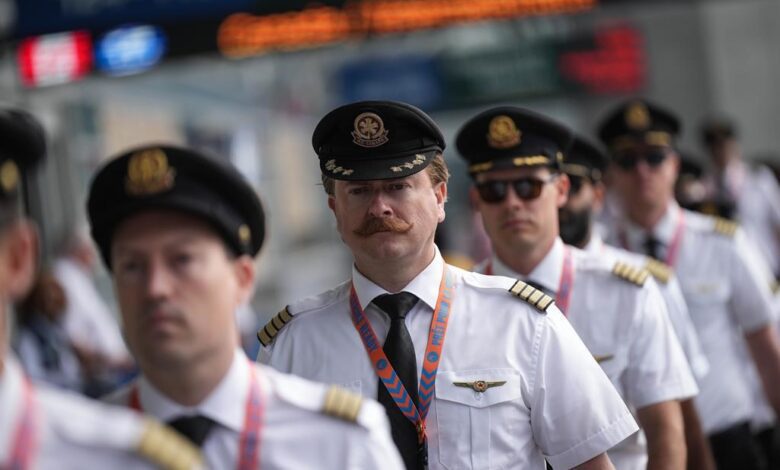
Air Canada and the Air Line Pilots Association announced a tentative deal on September 15. About 5,400 pilots had been preparing for possible job action after their previous collective agreement expired.
The settlement prevented a shutdown that the airline estimated could affect roughly 110,000 passengers and 670 flights each day.
Hudy tied leadership to member confidence
During a virtual town hall, she said a rejection would show that she no longer spoke for the membership and that remaining could harm their position. Union leaders sometimes make such commitments after recommending a settlement they believe is the achievable result of bargaining.
Members nevertheless retained the right to assess and vote on the agreement independently.
The headline wage increase was substantial
The proposal provided a cumulative increase of nearly 42 per cent over four years. Comparing that number with US airline settlements required attention to different starting wages, currencies, work rules and seniority systems.
A multi-year cumulative rise is also different from receiving the entire percentage in the first year.
Junior-pay rules remained contentious
Newer Air Canada pilots had long spent four years on a fixed lower wage scale regardless of aircraft type. The proposed agreement reduced that period to two years but left a significant difference before higher seniority rates.
Many new hires had already built long careers at regional or other airlines, intensifying objections to starting pay.
Scheduling and family life also mattered
Pilots considered duty schedules, time away from home, retirement provisions and quality-of-life rules in addition to hourly pay. Aviation bargaining combines compensation with fatigue management and operational reliability.
Public discussion focused on salaries, but members voted on an entire legal contract.
Rejecting the deal would have reopened uncertainty
A “no” vote would not automatically produce a better offer. It could return the parties to bargaining, change union leadership and revive strike or lockout risk, subject to Canadian labour law and any government action.
Accepting it would secure gains while leaving some members dissatisfied until a future bargaining round.
Pilots ultimately ratified the contract
On October 10, ALPA announced that 67 per cent voted in favour, with 99 per cent of eligible pilots participating. The agreement took effect immediately and was scheduled to expire on September 29, 2027.
Hudy remained in office and described it as the largest labour agreement in Air Canada’s history.
The vote resolved the immediate threat, not every dispute
A one-third opposition vote was significant and showed continuing concern about junior pay and working conditions. Contract implementation and grievance procedures became the next means of testing promised improvements.
Hudy’s resignation warning was newsworthy because it linked her position to the result, but the democratic substance was the membership’s informed choice. The exceptionally high turnout and recorded margin supplied a clear mandate to ratify while preserving the right of dissenting pilots to organize for future changes.