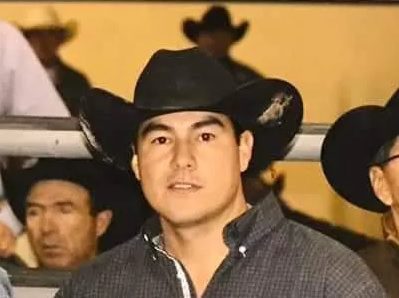
Assembly of First Nations National Chief Cindy Woodhouse Nepinak called the death of Jon Wells in Calgary police custody “heartbreaking” and demanded a transparent investigation. Wells, a 42-year-old member of the Kainai or Blood Tribe and a respected rodeo figure, died after an encounter at a hotel on September 17, 2024.
Police had responded to a hotel complaint
Calgary officers attended the Carriage House Inn after a report involving a man acting unusually. The encounter led to a struggle, restraint and Wells’s death.
Initial police descriptions and later family accounts differed in emphasis. A definitive account required independent examination of video, medical evidence and officer conduct.
Alberta’s police watchdog opened an investigation
The Alberta Serious Incident Response Team investigates incidents involving police that cause serious injury or death. Its role is to determine what occurred and whether there are reasonable grounds to believe an offence was committed.
An investigation is not a finding against an officer, but independence and timely disclosure are necessary for public confidence.
The family sought answers and accountability
Relatives and Blood Tribe leaders questioned why the encounter escalated and called for full access to relevant evidence. A later prayer walk honoured Wells on the National Day for Truth and Reconciliation.
Families should not have to rely on leaked fragments to understand a death. Clear protocols for notification, disclosure and cultural support can reduce further harm.
The AFN placed the death in a national pattern
Woodhouse Nepinak noted several recent deaths of Indigenous people during police interactions. The AFN later adopted a resolution supporting Wells’s family and calls for a transparent, impartial process.
Each case has distinct facts, yet repeated outcomes justify examination of systemic issues in policing, health response and the treatment of Indigenous people.
Restraint carries medical risk
A person in acute distress may face danger from position, pressure, intoxication, injury or underlying illness. Officers and medical responders need training to recognize deterioration and move quickly from control to care.
Those general risks do not establish the cause of Wells’s death. A forensic assessment must evaluate the evidence in his specific case.
Bias can shape threat perception
Indigenous leaders have long documented over-policing, under-protection and stereotypes that can influence encounters. Addressing bias requires recruitment, training, supervision, data and consequences, not a single awareness session.
Culturally informed crisis teams and civilian health responders may be appropriate in some calls, provided safety thresholds and responsibilities are clear.
Transparency must respect due process
Authorities can publish timelines, policies and the scope of an investigation without prejudging individuals. Body-camera footage and witness evidence should be preserved and disclosed according to law.
Officers also retain legal rights. Accountability is strongest when conclusions follow tested evidence rather than institutional defensiveness or public assumption.
Wells should be remembered as a person
Coverage identified him as a father, community member and accomplished cowboy, not only as the subject of a police file. That distinction matters to family and public understanding.
The immediate demand was straightforward: establish how he died, disclose findings and act on them. Trust will depend on whether institutions answer those questions with independence, care and measurable reform.