Catholics Meet to Chart Church’s Future, but Not Women Deacons
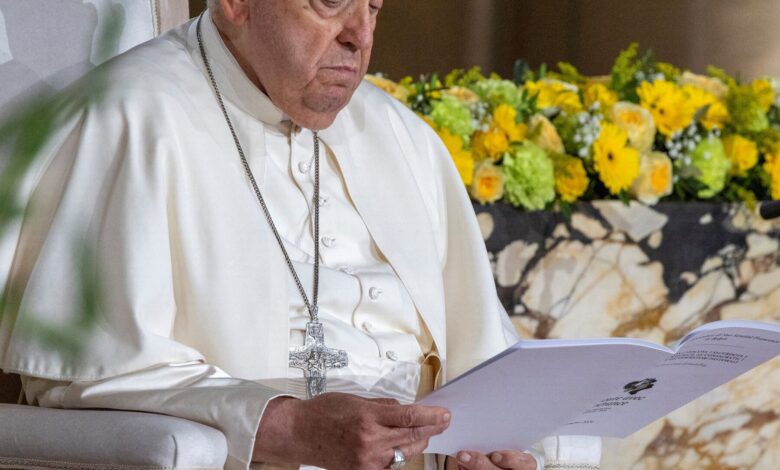
Catholic bishops, lay delegates and other participants opened the second session of the Synod on Synodality at the Vatican in October 2024. Women held voting roles in the assembly, but the disputed question of admitting women to the ordained diaconate had been moved to a separate study group rather than placed before delegates for a direct decision.
The synod was broader than one disputed issue
The October 2–27 meeting examined how the Catholic Church listens, makes decisions and shares responsibility among clergy and lay people. It followed consultations in dioceses and a first Rome session in 2023.
Topics included transparency, accountability, local decision-making, formation and the participation of women. The process was consultative; a synod does not independently rewrite doctrine.
Women deacons were assigned to Study Group 5
Pope Francis created study groups for questions requiring further theological or canonical work. The Dicastery for the Doctrine of the Faith coordinated the group considering ministries and women’s participation, including the diaconate.
Moving the issue outside the main assembly prevented a simple synod vote from settling it. Advocates worried that the transfer delayed an answer and reduced visibility into who was conducting the research.
A deacon is not simply a junior priest
In Catholic teaching, bishops, priests and deacons form distinct degrees of ordained ministry. Permanent deacons may preach, baptize, witness marriages and serve in charitable and pastoral roles, but they do not celebrate Mass or hear sacramental confession as priests do.
The question is therefore not identical to ordaining women as priests. Church authorities have treated the two debates separately, even though both concern authority, ministry and sex.
History is interpreted in different ways
Early Christian sources refer to women described as deacons or deaconesses. Scholars disagree about whether their ordination, duties and sacramental status were equivalent to those of male deacons in the same periods.
Historical evidence can illuminate a tradition but does not automatically decide contemporary Catholic law. Theology, continuity of practice and the authority to define ministry all enter the institutional debate.
Transparency became a point of tension
Some delegates and advocacy groups said they received too little information about the study group’s membership, method and timetable. A meeting offered to synod participants drew criticism when the senior official expected to answer questions did not initially attend.
The Vatican later facilitated further contact, but the episode reinforced demands that a process centred on listening should disclose how consequential questions are handled.
The final document did not authorize ordination
The synod’s final document called for wider participation by women in decision-making and leadership roles permitted under existing law. It said the question of women’s access to diaconal ministry remained open to discernment and urged continued theological and pastoral study.
That wording neither approved women deacons nor declared the subject closed. Pope Francis approved publication of the document, while decisions about ordination remained with the Church’s governing authority.
Practical participation extends beyond ordination
Women already sustain much of Catholic education, health care, parish work, scholarship and humanitarian service. Governance roles that do not require ordination can be expanded independently of the diaconate question.
Advocates argue that voting and management reforms do not substitute for sacramental equality. Opponents argue that ecclesial service cannot be measured only by ordained office. Both claims explain why the debate persists.
The accurate status was continued study
The 2024 assembly gave women an unprecedented formal voice in a global synod and endorsed stronger participation. It did not authorize women to become deacons.
Readers should be cautious with headlines saying the Church either approved or permanently rejected the change. The verified outcome was narrower: the issue was removed from direct assembly deliberation, assigned to a doctrinal study process and left unresolved while the synod pressed for greater responsibility for women under existing rules.