
Live Updates: Scores Are Killed in Israeli Strikes in Southern Lebanon, Officials Say
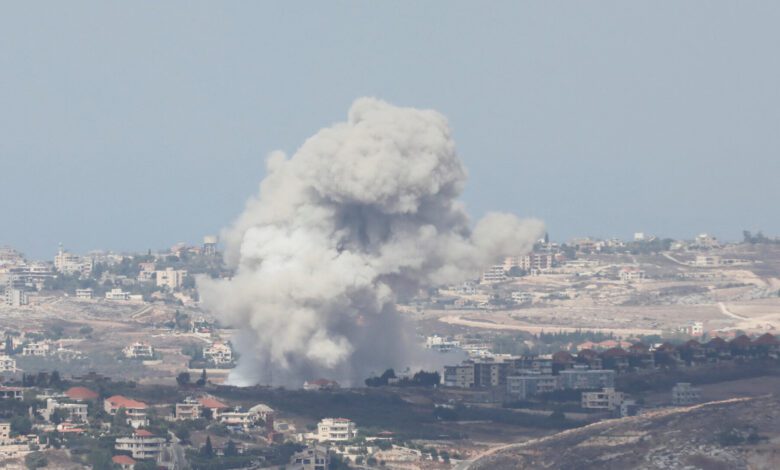
Israeli air strikes across southern and eastern Lebanon killed hundreds of people on September 23, 2024, marking the deadliest day of the Israel–Hezbollah conflict in years. Lebanon’s Health Ministry reported 492 deaths, including 35 children and 58 women, and 1,645 people wounded as families fled toward Beirut and other areas.
Israel described a large campaign against Hezbollah
The Israeli military said it struck more than 1,600 sites associated with Hezbollah, including launchers, weapons stores and other infrastructure. It said the operation was intended to reduce the armed group’s capacity after months of cross-border fire.
The scale and location of each strike still required independent scrutiny, particularly where homes and civilians were present.
Warnings preceded some attacks
Residents received telephone calls and messages telling them to leave buildings or areas where Israel said Hezbollah stored weapons. Lebanese officials said the warnings reached people across a wide area and contributed to panic and rapid displacement.
A warning can help civilians escape, but it does not automatically make an attack lawful. Parties must still distinguish military targets, assess proportionality and take feasible precautions.
Roads filled with families leaving the south
Traffic backed up on the coastal route from Sidon toward Beirut as people packed belongings into cars. Schools were opened as shelters, while hospitals treated large numbers of casualties and authorities cancelled classes in several parts of the country.
Displacement placed additional pressure on communities already affected by Lebanon’s economic and public-service crises.
Hezbollah continued firing toward Israel
Hezbollah launched rockets at northern Israel and said it targeted military positions. The group had exchanged fire with Israel almost daily since October 8, 2023, one day after the Hamas-led attack on Israel and the start of the Gaza war.
Those attacks forced residents from northern Israel, while Israeli strikes displaced people in southern Lebanon. Civilian harm on one side cannot justify unlawful attacks on the other.
The conflict was moving beyond a contained border exchange
The September 23 barrage followed Israeli strikes that killed senior Hezbollah commander Ibrahim Aqil and others in Beirut, as well as explosions involving pagers and radios used by Hezbollah members. The sequence sharply increased fears of a wider regional war.
Hezbollah is an Iran-backed political and armed organization. Its military capability is substantial, but civilians living in an area where it operates do not lose their protection.
Casualty figures needed clear sourcing
The day’s death and injury totals came from Lebanon’s Health Ministry and were updated as hospitals and rescue workers reported cases. Such figures can change during an emergency and do not by themselves establish the status of every person killed.
Reporting should identify the authority and date rather than present an evolving count as permanently final.
International officials called for restraint
The United Nations and foreign governments warned that escalation could produce a devastating war. Diplomatic efforts focused on implementing security arrangements along the Israel–Lebanon boundary and enabling displaced residents on both sides to return safely.
Durable security could not depend on repeated mass displacement or an indefinite exchange of fire.
Accountability requires evidence from individual strikes
A complete assessment must examine target identification, the weapon used, civilian presence, warnings and expected military advantage for each incident. Broad claims that all sites were civilian or all were military would outrun the available evidence.
The verified conclusion for September 23 was grave enough: an exceptionally intense Israeli campaign caused a very high reported death toll in Lebanon and accelerated regional escalation, while Hezbollah continued rocket fire. Protecting civilians required an immediate reduction in hostilities, access for medical and humanitarian workers, and credible investigation of alleged violations by every party.



