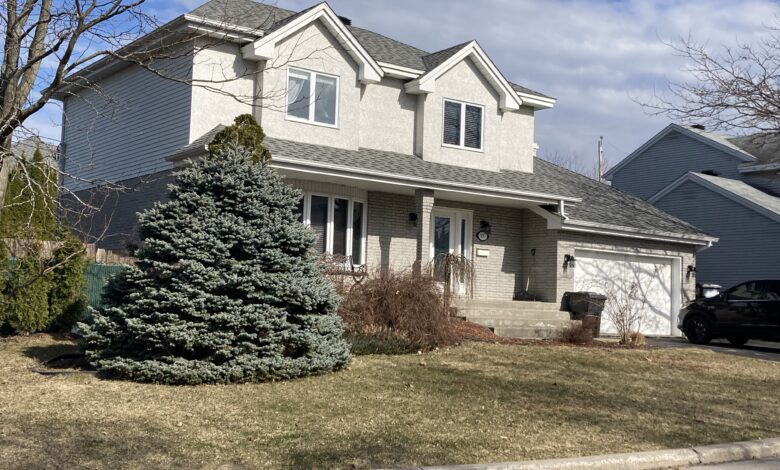
TD Bank moved in July 2024 to seize a Montreal-area home belonging to Russian-Canadian citizen Nikolay Goltsev after demanding repayment of a home-equity credit balance. The civil proceeding unfolded separately from a United States criminal case in which Goltsev admitted helping export restricted technology to Russia.
The bank filed a mortgage notice
TD registered a 60-day notice concerning the property in Ste-Anne-de-Bellevue on July 17. Court records said approximately $232,715 was owed on a home-equity line of credit connected to a mortgage with a total authorized amount of $450,000.
The municipal assessment cited in reporting valued the home at $848,800, which was not necessarily its sale price.
The dispute concerned repayment after credit was cancelled
The bank had cancelled the credit line and demanded payment by June 28. Goltsev’s lawyer said frozen or closed accounts prevented regular payments and maintained that the bank’s action was not simply a response to his arrest or guilty plea.
Those statements represented the defence account; the registered notice documented TD’s secured-debt claim.
A payment could potentially stop foreclosure
Under the notice, the debt could be repaid within the specified period to prevent the bank from exercising further mortgage remedies. A relative was reported to be discussing payment by bank draft.
Whether payment was accepted and the proceeding ended required confirmation from later property or court records.
Goltsev pleaded guilty in New York
On July 11, 2024, Goltsev pleaded guilty in federal court to conspiracy to commit export-control violations. US prosecutors said he helped operate a global procurement network that moved more than $10 million in dual-use electronics to Russian end users.
A guilty plea established the admitted criminal conduct, while sentencing and forfeiture remained separate legal steps.
Prosecutors described a network of front companies
The operation used Brooklyn-based SH Brothers and SN Electronics and routed components through countries including Turkey, China, India and the United Arab Emirates. The goods included semiconductors and other technology subject to US export restrictions.
Export controls aim to prevent civilian components with military applications from reaching prohibited users.
Some parts were linked to Russian weapons
US authorities said electronic components associated with the network had been found in captured Russian military equipment in Ukraine, including helicopters, drones, tanks and communications or missile systems. The evidence formed part of the prosecution’s description of the scheme’s national-security consequences.
That did not mean every exported item was recovered from a weapon.
Other defendants faced related cases
Goltsev’s wife, Kristina Puzyreva, pleaded guilty to a money-laundering conspiracy and received a two-year sentence. Co-defendant Salimdzhon Nasriddinov was accused of participating in the procurement operation.
Each defendant’s liability depended on their own plea, trial or court findings.
The civil and criminal processes should not be conflated
Mortgage enforcement determines a creditor’s rights in property after default. Criminal forfeiture determines whether assets or money are connected to an offence and can be taken by the state. Different courts, evidence and legal standards govern those processes.
TD said the foreclosure action was unrelated to separate scrutiny of the bank’s anti-money-laundering controls in the United States. Accurate coverage therefore needed to avoid implying an unproven connection. The important facts were narrower: TD asserted a mortgage default, Goltsev had admitted participating in an export-control conspiracy, and the home became the subject of a civil repayment process while the criminal case continued.