Jasper prepared to end its municipal state of emergency on September 15, 2024, marking a transition from immediate wildfire response to long-term recovery. The declaration’s expiry did not mean the disaster was over: roughly 2,000 of the Alberta town’s 5,000 residents still lacked homes after the July fire.
The wildfire destroyed about one-third of the town
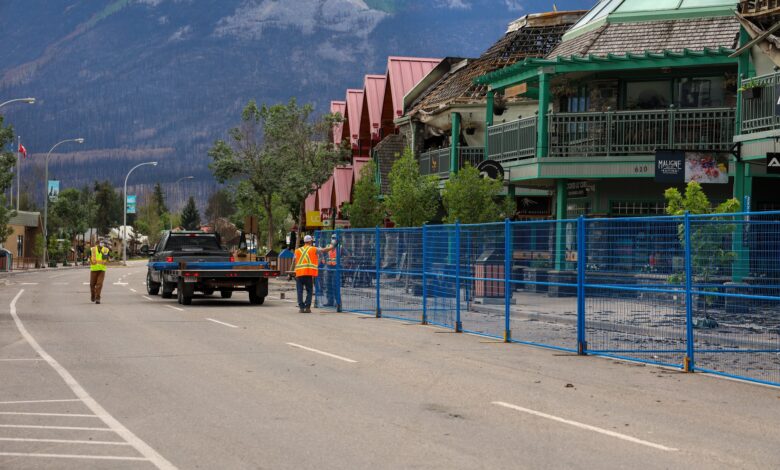
The fast-moving fire entered Jasper after a mass evacuation and damaged or destroyed hundreds of structures. Residents returned to dramatically different circumstances, with some neighbourhoods intact and others reduced to foundations.
The uneven loss complicated every decision about services, access and recovery priorities.
Emergency powers were no longer the main tool
Mayor Richard Ireland said ending the declaration reflected a shift from short-term response to a longer planning horizon. Emergency declarations enable exceptional coordination and authority, but reconstruction requires durable budgets, permits, housing and public consultation.
Normalizing governance can be progress even while hardship remains acute.
Housing was the largest immediate obstacle
The municipality said it could not secure temporary accommodation for every displaced resident. Essential workers, including hospital employees and teachers, received priority because the town needed their services to function.
That triage was practical but left many other residents facing difficult choices.
Thirteen temporary-housing proposals were reviewed
Chief administrative officer Bill Given said options ranged from prefabricated or modular units to camp-style facilities with shared kitchens. Officials assessed cost, suitability and speed before seeking provincial funding.
Any units were expected to be interim housing rented at market rates, raising affordability questions for households whose income had also been disrupted.
Tourism was part of household recovery
Jasper’s visitor economy supports hotels, restaurants, guides and many related jobs. Ireland argued that reopening businesses and welcoming visitors could protect returning residents from prolonged unemployment.
The town published a current list of open businesses so travellers could plan realistically.
Recovery tourism required sensitivity
Visitors could help by booking open services, following park restrictions and avoiding damaged residential areas. They also needed to understand that workers serving them might be grieving or living in temporary accommodation.
Economic support should not turn private loss into spectacle.
Residents and businesses had to recover together
A tourism town cannot restore its economy without workers, and workers cannot return without homes. Temporary housing, childcare, health care and transport were therefore economic infrastructure as well as social support.
Prioritizing only storefront reopening would leave the recovery unstable.
Long-term rebuilding involved risk choices
New construction would need to consider wildfire-resistant materials, defensible space, evacuation routes and the constraints of a national park. Insurance, leases and heritage also affected what could be rebuilt and when.
Speed mattered, but rebuilding the same vulnerabilities would carry future costs.
The end of emergency was a milestone, not a finish line
Residents still faced grief, uncertainty and administrative work that could last years. Transparent timelines, mental-health support and meaningful participation were necessary as governments moved from daily briefings to less visible recovery programs.
Jasper’s challenge was to revive livelihoods without minimizing loss. Ending the declaration signalled greater stability; the real measure of recovery would be whether displaced residents could return to safe, affordable homes and remain part of the community they helped build.