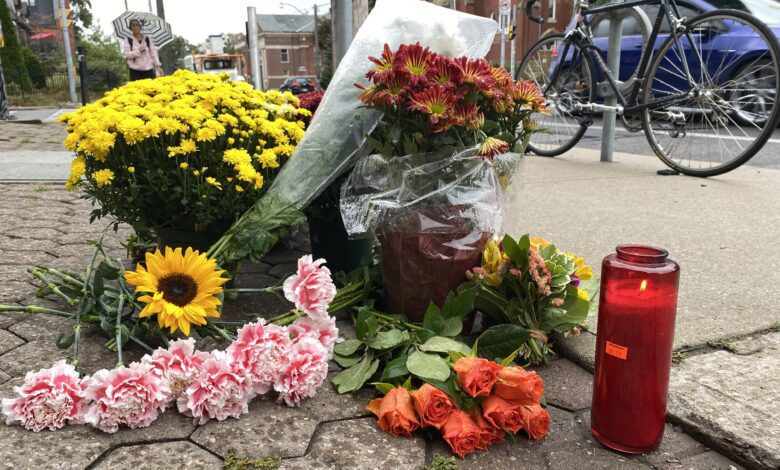
Friends and fellow musicians built a memorial for Toronto jazz bassist Julia Cleveland after she was struck and killed by a vehicle involved in a two-car collision in the Junction in September 2024. She was remembered as a talented performer and an active supporter of the city’s music community.
The collision occurred at a busy intersection
Police said two vehicles collided near Annette Street and Pacific Avenue before one left the roadway and struck Cleveland. Emergency crews attended, but she died from her injuries.
Early reporting needed to avoid assigning fault before investigators reconstructed speed, signals and driver actions.
Cleveland contributed on and off stage
She performed as a bassist and worked as finance manager for the Toronto Musicians’ Association. Colleagues described her work for the association as a way of giving back to musicians.
That combination made her loss personal to performers and significant to the institutions supporting their livelihoods.
A streetside memorial reflected collective grief
Flowers, notes and other tributes accumulated near the scene. Informal memorials let people mourn where a sudden death became visible to the neighbourhood.
Families and city crews should be consulted about preservation or respectful removal when weather and road maintenance intervene.
The investigation remained essential
Collision investigators can examine vehicle damage, video, witness accounts and roadway evidence. Their work may lead to charges, recommendations or no criminal finding depending on the facts.
A tragic outcome alone does not establish criminal negligence by a particular driver.
Road design also deserves examination
Safe-system planning asks how intersection layout, speed, visibility and protection for pedestrians can prevent an error from becoming fatal. That analysis complements individual accountability rather than prejudging it.
Officials should use collision data and a formal safety review, not redesign by anecdote alone.
Victim-centred coverage restores a life
Traffic reports often describe a pedestrian only by age and injury. Naming Cleveland’s music, work and relationships prevented the story from reducing her to a statistic.
Journalists should still respect relatives who do not want private grief turned into content.
Community support can be practical
Musicians commonly face irregular income and limited benefits. Verified fundraising, meal support and assistance with memorial events can help a bereaved family and collaborators.
Donation appeals should be confirmed with authorized organizers to prevent exploitation after a public tragedy.
The memorial called for remembrance and safety
Cleveland’s death united people through grief, while the collision prompted questions about how Toronto protects pedestrians. Neither purpose required speculation about evidence not yet released.
A responsible account could honour her contribution, follow the official investigation and ask for transparent safety action. The person and the public lesson both deserved more than a fleeting crash headline.
City officials could publish the collision history of the intersection and explain whether any recommended changes were funded. That follow-up would avoid using Cleveland’s name only at the moment of tragedy. Memorial concerts or association initiatives, if authorized by her family, could preserve her musical legacy while road-safety work addressed the circumstances that exposed pedestrians to danger.
Follow-through would honour both aims.