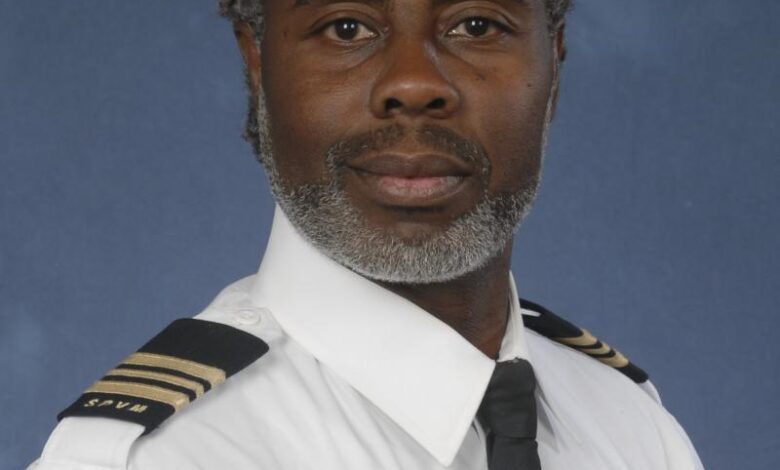
Commander Patrice Vilcéus denounced racism and resistance to change within Montreal’s police service in a resignation letter marking the end of his 30-year career in 2024. The Haitian-born senior officer described racism as a “cancer” harming the organization and its members.
The criticism came from a senior insider
Vilcéus had risen through the Service de police de la Ville de Montréal and said he had tried not to remain a passive observer of racism or racial profiling. His experience gave the letter institutional significance.
It remained his account, and individual allegations required fair investigation rather than automatic acceptance or dismissal.
He challenged management culture
The letter argued that some people in strategic positions resisted divergent thinking and relied on hierarchy rather than credible leadership. Vilcéus linked that environment to employee distress and departures.
A workplace can adopt diversity language while informal promotion and decision systems continue to disadvantage people.
Internal racism and public profiling are connected
How an organization treats racialized employees can influence whose judgment is valued and how policies are enforced. Public concerns about street checks and profiling therefore cannot be separated entirely from internal culture.
Neither issue is proven by one letter, but both warrant measurable institutional review.
Representation alone is insufficient
Hiring more officers from diverse backgrounds may improve legitimacy and knowledge, yet numbers do not guarantee equal access to specialized units, promotion or authority. Retention and career progression reveal whether inclusion is substantive.
Senior leaders must be able to disagree without facing retaliation or isolation.
The service needed to respond with evidence
A credible response would publish workforce outcomes, complaint handling, discipline data and progress on anti-racism recommendations while protecting personal information. General assurances that an organization is healthy cannot resolve specific structural concerns.
Independent oversight can help employees report problems when internal chains of command are implicated.
Reform also needs operational detail
Training is useful when connected to supervision, performance review and consequences. Recruitment panels, promotion criteria, street-check rules and body-camera or data systems all influence daily behaviour.
One-time courses without leadership accountability risk becoming symbolic compliance.
Community trust depends on follow-through
Residents who believe they are profiled may avoid police or view enforcement as illegitimate. Officers working in a discriminatory environment may also leave, reducing experience and the diversity the service says it wants.
Transparent milestones allow communities and employees to judge whether reform survives beyond a news cycle.
The letter was both testimony and warning
Vilcéus did not claim that every Montreal officer behaved in the same way. His central warning was that entrenched attitudes at influential levels could damage people and block improvement across the service.
Responsible reporting preserves that distinction while taking the account seriously. The appropriate institutional answer was not defensiveness but independent examination, published results and protection for those who raise substantiated concerns.
Reform would also require repeated employee surveys with credible confidentiality, comparison of assignments and promotions, and clear reasons when discipline or complaints were closed. Those records could identify patterns that isolated anecdotes, whether positive or negative, cannot establish.